Exploring Society: Class 6 Social Science (NCERT)
NCERT's Class 6 Social Science textbook, Exploring Society: India and Beyond: the connected stories of India's places, people, history, culture, government and economy. Learn through pictures, maps, questions, activities and projects that help you explore, ask questions and discover ideas for yourself.
Locating Places On The Earth
Chapter 1
Chapter 1 · Start here
Locating Places On The Earth
How maps work, how latitudes and longitudes pinpoint any place, and why time changes as you travel east or west.
Sprint 1
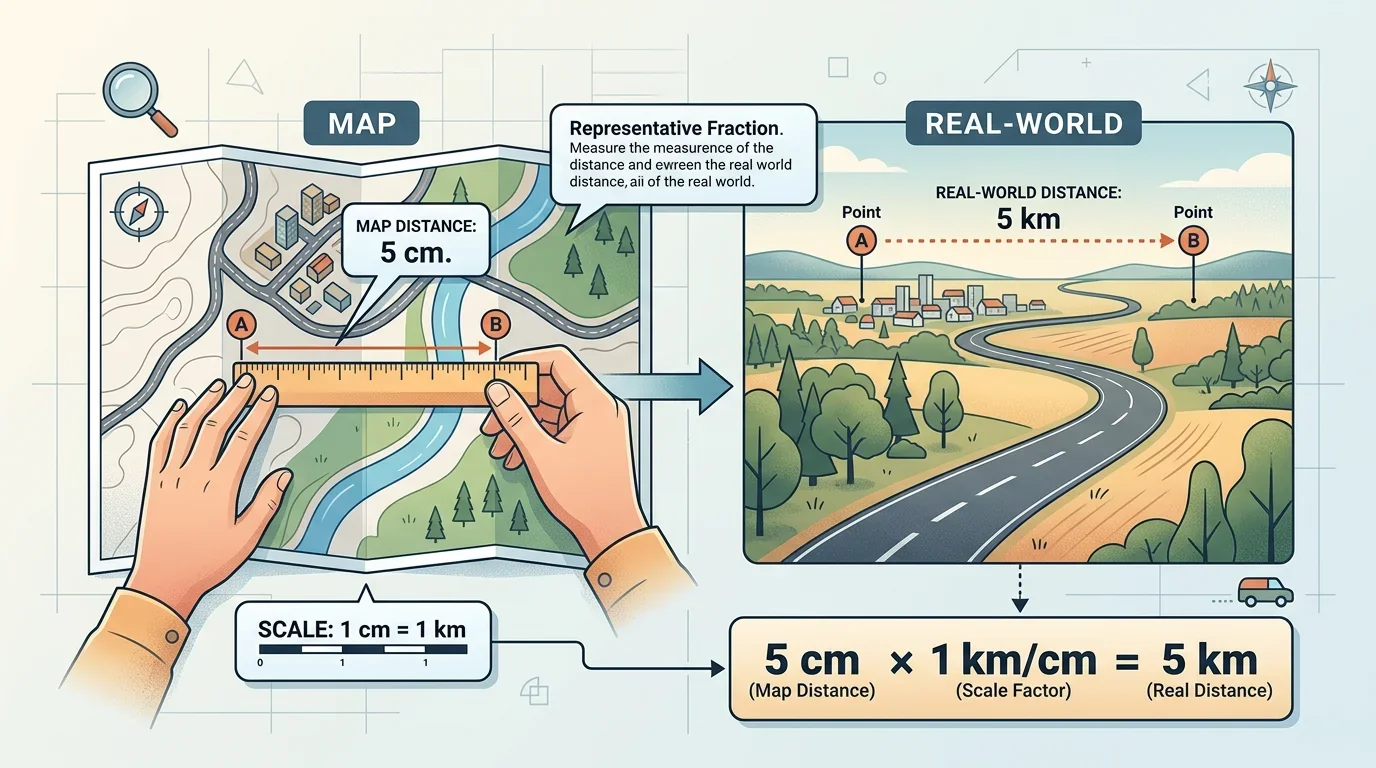
Maps And Their Components
What maps are, the types of maps, and how scale, directions and symbols let a map show a big area.
Sprint 2
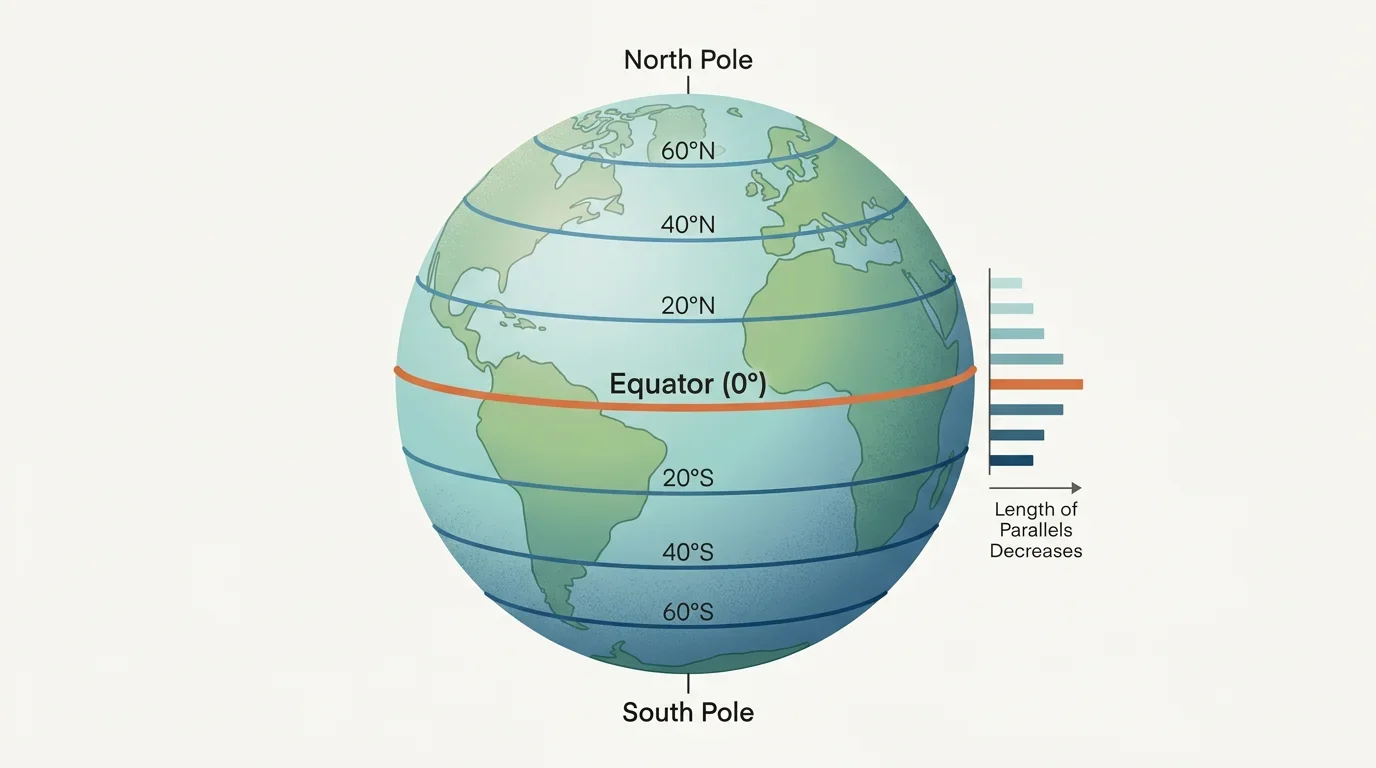
Latitudes And Climate Zones
Lines of latitude, and how distance from the Equator decides the climate.
Sprint 3
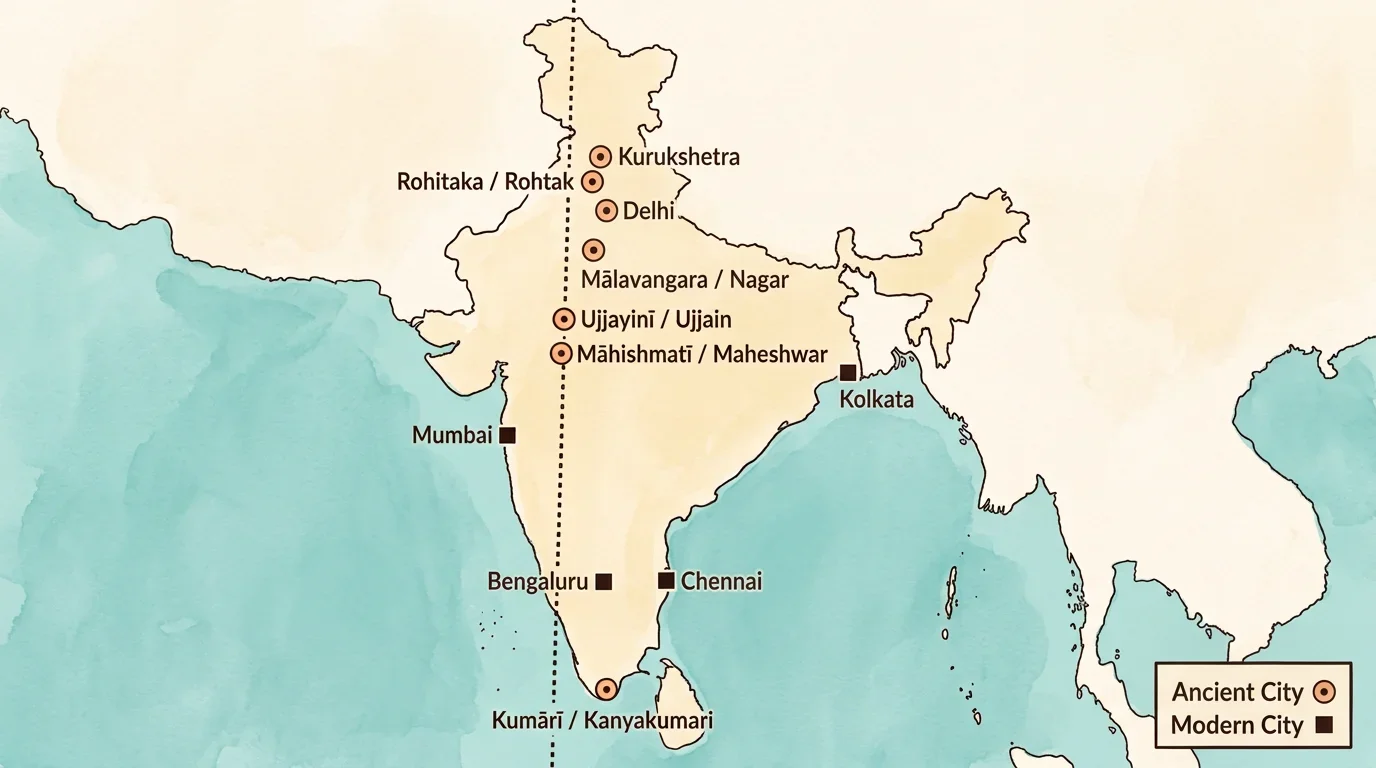
Longitudes And The Global Grid
Lines of longitude, the prime meridians of Greenwich and ancient Ujjayinī, and how the grid locates any place.

Sprint 4
Time Zones And The Date Line
How longitude sets the time, why India has one standard time, and what happens at the International Date Line.
Sprint 5
Review: Locating Places On The Earth
Check maps, latitudes, longitudes and time zones, and test yourself.
Oceans And Continents
Chapter 2
Chapter 2 · Start here
Oceans And Continents
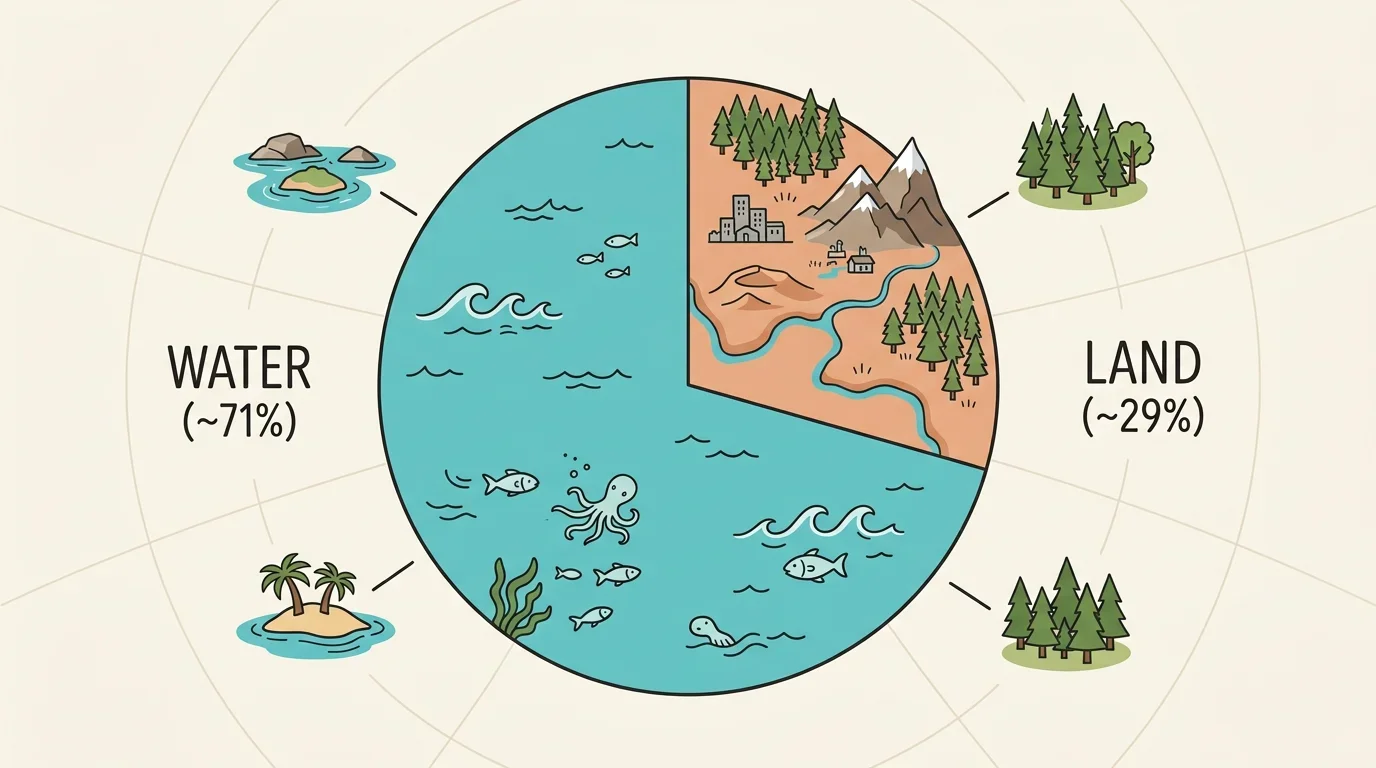
How much of Earth is water and how much is land: the oceans, the continents, and how they connect.
Sprint 6
The Blue Planet: Oceans And Distribution
Understand the distribution of water on Earth, the five named oceans, and the natural events originating from them.

Sprint 7
Landmasses: Continents And Islands
Understand the different ways to count continents, define islands, and learn about specific landmasses like Antarctica.

Sprint 8
Oceans, Life, And Us
Appreciate the vital role oceans play in sustaining life on Earth and recognize human responsibilities toward ocean conservation.
Sprint 9
Review: Oceans And Continents
Synthesize knowledge of Earth's land and water distribution, terminology, and the interplay between human activity and marine environments.
Landforms And Life
Chapter 3
Chapter 3 · Start here
Landforms And Life
Mountains, plateaus and plains, and how the shape of the land shapes the way people live.

Sprint 10
Magnificent Mountains
Understand the structural features, age differences, ecological environments, and human challenges associated with mountains.

Sprint 11
Powerful Plateaus
Define plateaus as elevated flatlands and connect their geological origins to their economic importance (minerals) and geographic features (waterfalls).

Sprint 12
Prosperous Plains & Harsh Deserts
Understand how river sediments form highly fertile flat plains that support massive populations, and contrast this with the arid extremes of deserts.
Sprint 13
Landforms And Culture
Synthesize the chapter by showing how ancient literature explicitly classified the deep connection between landscapes and human occupations.
Sprint 14
Chapter Review
Recall key facts across all landforms and apply reasoning to explain why certain phenomena occur in specific landscapes.
Timeline And Sources Of History
Chapter 4
Chapter 4 · Start here
Timeline And Sources Of History
How historians measure time and piece together the past from sources, like detectives.

Sprint 15
Unearthing The Past
Distinguish between the different scientific and historical disciplines that study Earth and human history.

Sprint 16
Measuring Historical Time
Enable learners to calculate historical time using CE/BCE, centuries, and millenniums, recognizing the absence of 'year zero'.

Sprint 17
Pieces Of The Historical Puzzle
Categorize the various sources historians use to construct the past.

Sprint 18
From Hunters To Farmers
Trace the evolution of early humans from nomadic hunter-gatherers to settled agricultural communities.
Sprint 19
Chapter Review: Timeline And Sources Of History
Synthesize the methods of measuring historical time, categorizing sources, and understanding early human evolution.
India, That Is Bharat
Chapter 5
Chapter 5 · Start here
India, That Is Bharat
The many names of India over thousands of years, and what they tell us about its land and culture.

Sprint 20
Indigenous Names Of The Subcontinent
Understand how early inhabitants named the subcontinent based on geography, rivers, flora, and ancient texts like the Rig Veda, Mahabharata, and Vishnu Purana.

Sprint 21
Foreign Names And Ancient Travelers
Trace how the word 'Sindhu' evolved into Hind, Indoi, and Yindu through foreign contact, and understand the cultural impact of ancient travelers like Xuanzang.

Sprint 22
The Global Journey Of 'Sindhu'
Synthesize how a single river's name fractured into dozens of modern translations across the globe.
Sprint 23
Review: India, That Is Bharat
Consolidate knowledge of ancient texts, historical naming conventions, and the motivations of early travelers.
The Beginnings Of Indian Civilisation
Chapter 6
Chapter 6 · Start here
The Beginnings Of Indian Civilisation
India's first cities: how the Harappan people lived, built and traded, and the mystery of their script.

Sprint 24
Defining The First Civilisation
Understand the criteria for a civilisation and map the geographical and temporal bounds of the Indus-Sarasvati civilisation.

Sprint 25
Master Builders: Town Planning & Water
Appreciate the advanced civic engineering, standardized construction, and sophisticated water management of Harappan cities.

Sprint 26
Daily Life, Diet, And Artifacts
Connect with the human element of the Harappans by exploring what they ate, how they farmed, and the objects they used daily.

Sprint 27
Trade, Technology, And Decline
Analyze the economic reach of the Harappans, their symbolic artifacts, and the environmental reasons for their eventual decline.
Sprint 28
Chapter Review
Synthesize knowledge of Harappan urbanism, daily life, and history through progressive recall and application questions.
India's Cultural Roots
Chapter 7
Chapter 7 · Start here
India's Cultural Roots
India's many traditions and schools of thought, growing like branches from one banyan tree.

Sprint 29
The Vedic Foundation
Understand the origin, transmission, and philosophical evolution of the Vedas into the Upanishads.

Sprint 30
Stories Of Seeking Truth
Apply the abstract concepts of Atman and Brahman through classical Upanishadic narratives.

Sprint 31
Buddhism And The Middle Way
Understand the life of Siddhartha Gautama, the core tenets of Buddhism, and its spread via the Sangha.

Sprint 32
Jainism And The Conquerors
Understand the teachings of Mahavira, the meaning of Jina, and the core Jain principles, contrasting them briefly with materialism.
Sprint 33
Comparing The Paths
Synthesize and differentiate the Vedic, Buddhist, and Jain schools of thought.

Sprint 34
Folk And Tribal Roots
Appreciate the massive scale of India's tribal populations and their profound two-way interaction with mainstream Hindu traditions.
Sprint 35
Review And Reflect
Consolidate vocabulary, assess full-chapter comprehension, and prompt deeper reflection on the interconnectedness of Indian culture.
Unity In Diversity, Or 'Many In The One'
Chapter 8
Chapter 8 · Start here
Unity In Diversity, Or 'Many In The One'
How India's great variety of languages, food, dress and festivals rests on a shared unity.

Sprint 36
The Taste Of India
Understand how a vast array of regional dishes are built upon a common foundation of staple grains, pulses, and spices.

Sprint 37
Woven Together: Textiles
Analyze the sari as a prime example of how a single traditional item takes on hundreds of regional variations and creative uses.

Sprint 38
Celebrating The Harvest
Recognize how a single temporal event (the harvest season in mid-January) is celebrated under numerous different names across India.

Sprint 39
Shared Stories: Epics & Literature
Understand how ancient stories like the Panchatantra, Ramayana, and Mahabharata created a unified cultural web across India and beyond, adapting to local and tribal contexts.
Sprint 40
Chapter Review
Consolidate knowledge of India's cultural unity and diversity across food, textiles, festivals, and literature.
Family And Community
Chapter 9
Chapter 9 · Start here
Family And Community
The bonds of family and community around you, and how they support each other.

Sprint 41
The Family Unit
Understand the fundamental structure of different family types and how language reflects family bonds.

Sprint 42
Roles, Values, And Dharma
Recognize the family as an institution that teaches core values (dharma, sevā, tyāga) through cooperation and daily action.

Sprint 43
The Concept Of Community
Understand how families interconnect to form rural and urban communities based on shared resources, practices, and duties.
Sprint 44
Review: Family And Community
Synthesize understanding of family structures, cultural values, and community interdependence.