IELTS Writing Task 1: Describe The Trend, Not Every Number
Stop describing every number. Learn how to read visuals, find the overview, group key features, compare accurately, and write clear 150-word academic reports under time pressure.
What A Task 1 Report Really Is
Chapter 1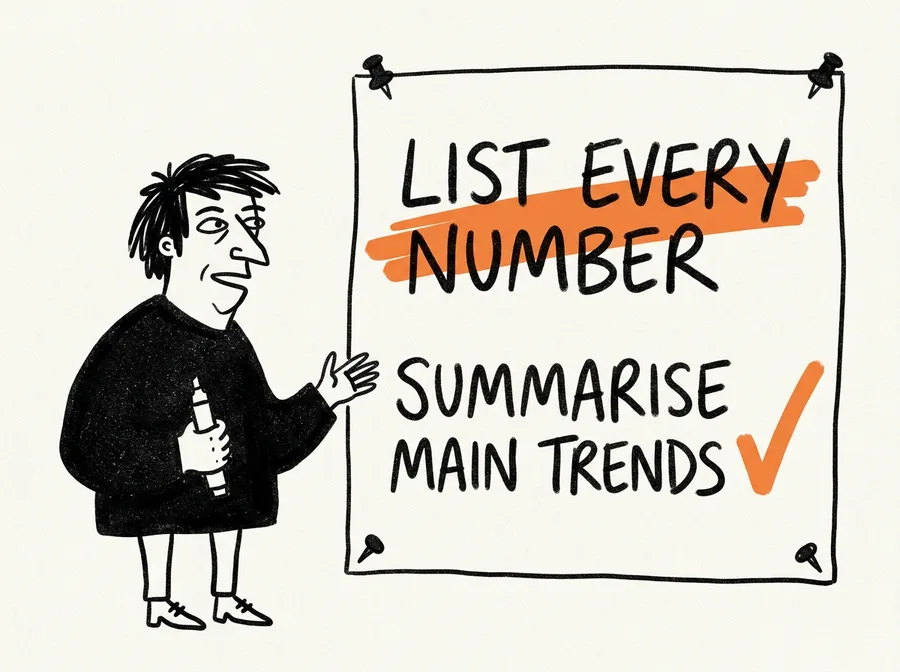
Chapter 1 · Start here
What A Task 1 Report Really Is
Task 1 is a factual report on a chart or diagram: choose what matters, summarise it, compare, and organise it.

Sprint 1
What Task 1 Actually Tests
Understand the four official IELTS scoring criteria and the core objective of Task 1.

Sprint 2
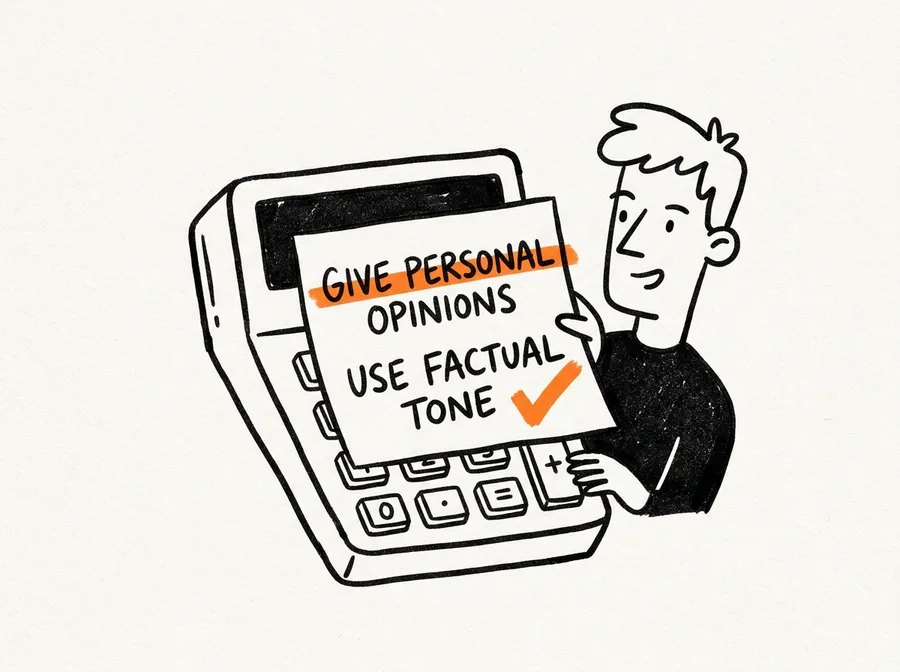
Task 1 Is Not Task 2
Distinguish the objective, factual tone of Task 1 from the argumentative, opinion-based tone of Task 2.

Sprint 3
The 20-Minute Report Plan
Master the 20-minute time management workflow for Task 1.
Sprint 4
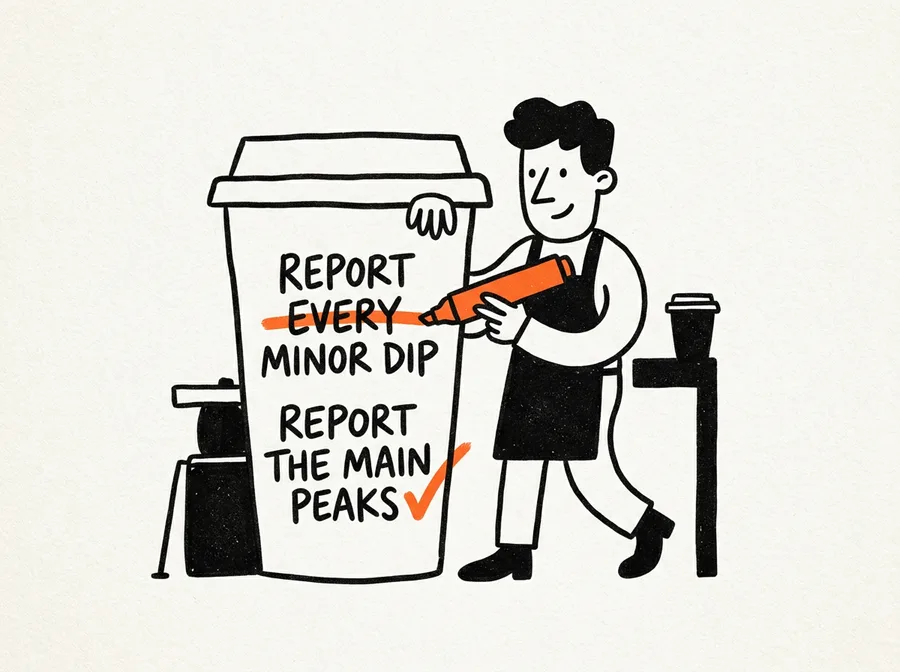
Selective Reporting
Learn to select key features and avoid translating every data point into text.
Sprint 5
Review: What A Task 1 Report Really Is
Look back at the scoring areas, the report voice, the 20-minute plan and choosing what to report.
Read The Visual Before Writing
Chapter 2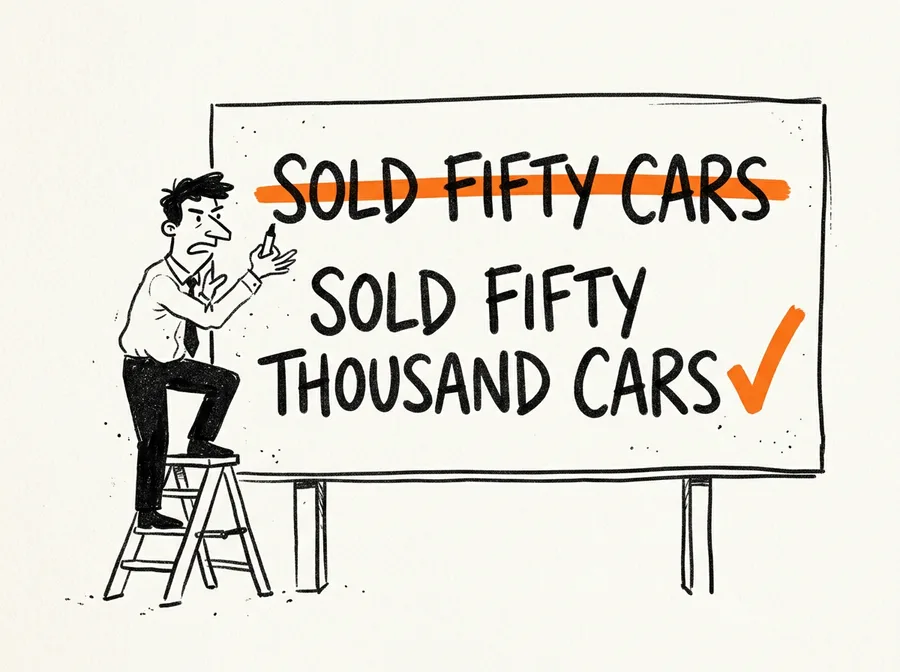
Chapter 2 · Start here
Read The Visual Before Writing
Read the title, labels, units and trends correctly before you write a single sentence.

Sprint 6
Titles, Labels, Units & Time
Read the title, labels, units and time period correctly before you write.

Sprint 7
Trends, Extremes & Exceptions
Find the overall shape of the data: main trends, highs, lows and exceptions.
Sprint 8
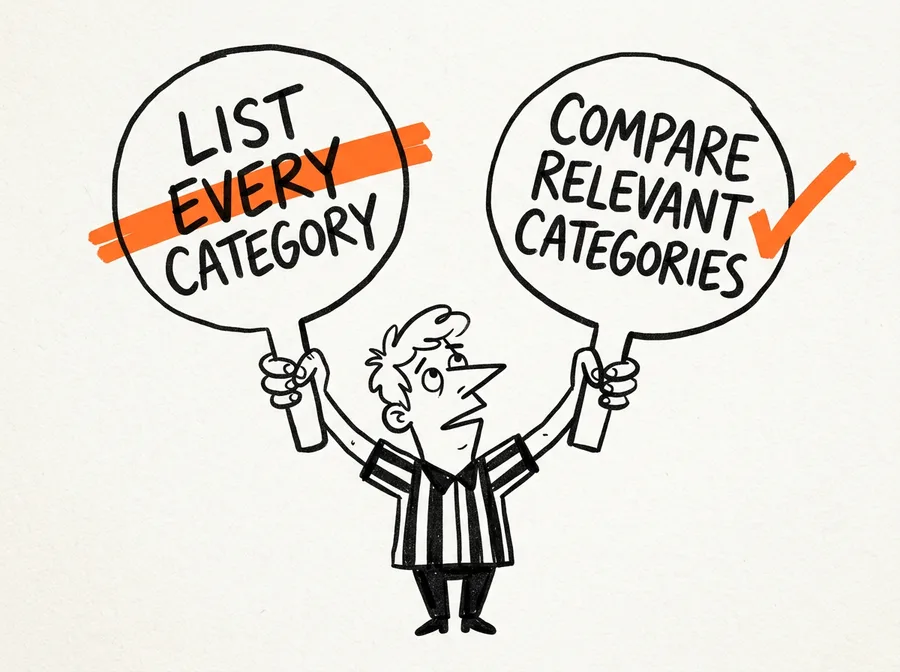
Compare Before You Write
Choose strong comparisons instead of listing numbers one by one.
Sprint 9
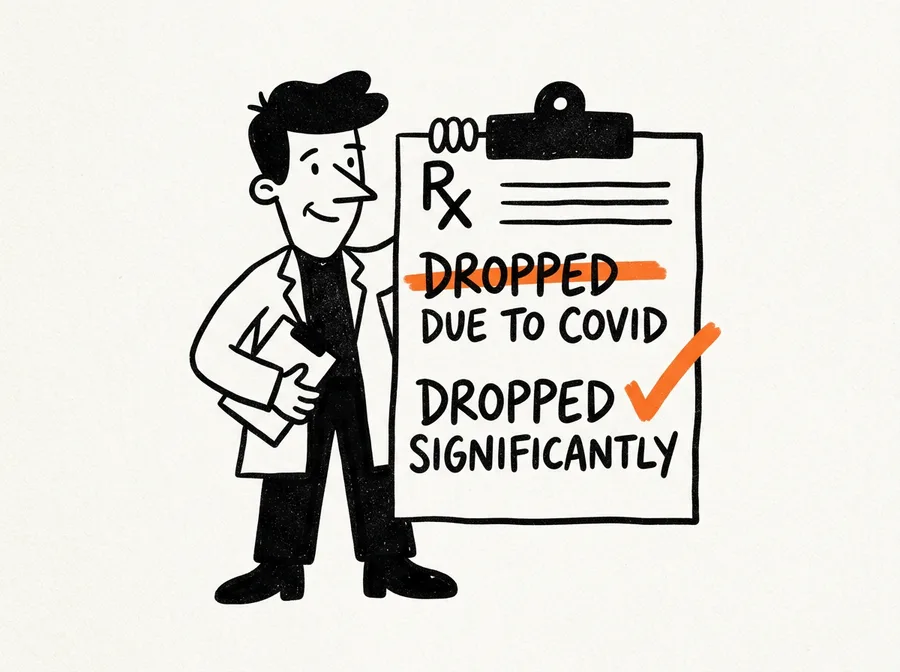
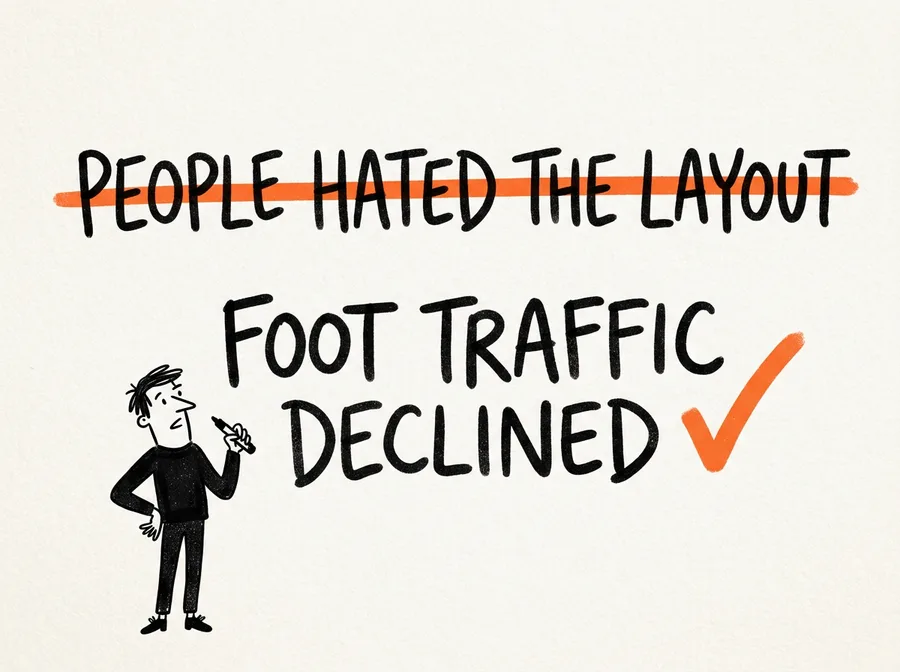
Avoid False Interpretation
Report what the data shows, without adding reasons or opinions it doesn't support.
Sprint 10
Review: Reading The Visual
Synthesize visual anatomy, trend detection, comparison strategies, and data accuracy rules.
The Overview And The Key Features
Chapter 3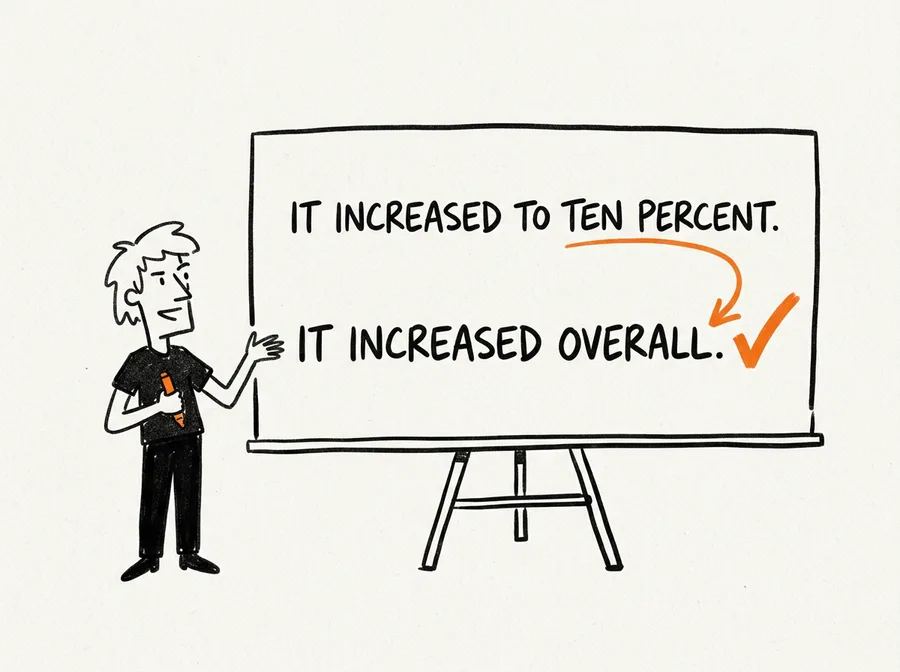
Chapter 3 · Start here
The Overview And The Key Features
Write a clear overview built on the key features, the part of Task 1 that matters most for your score.

Sprint 11
What Makes A Real Overview
Understand that an overview summarises the biggest visible patterns without listing many figures.
Sprint 12
Key Features Vs Minor Details
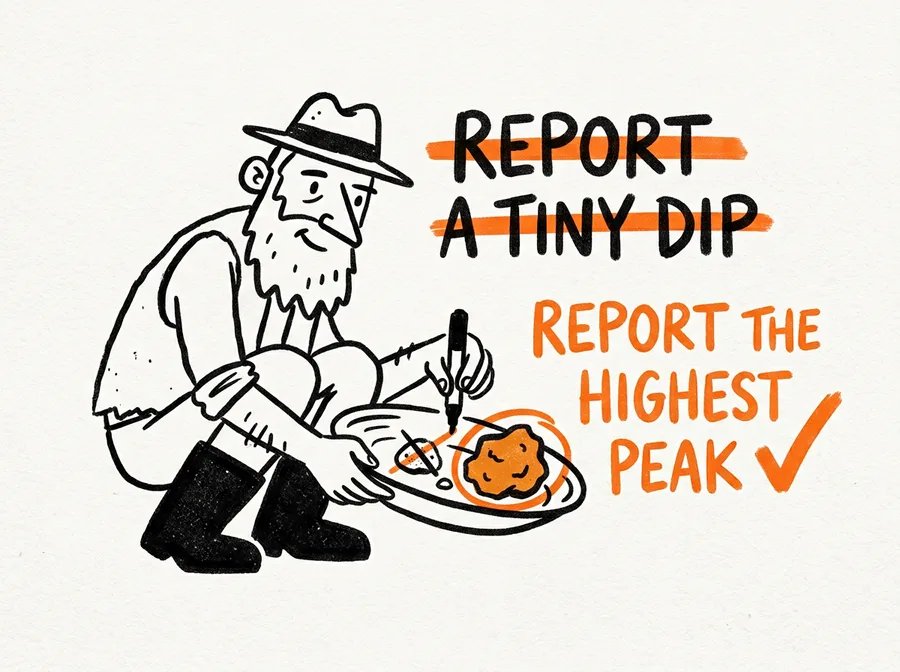
Differentiate between key features, supporting numbers, minor details, and irrelevant values.

Sprint 13
Overview For Charts
Write strong overviews for line graphs, bar charts, tables, and pie charts by identifying patterns and contrasts.
Sprint 14
Overview For Maps And Processes
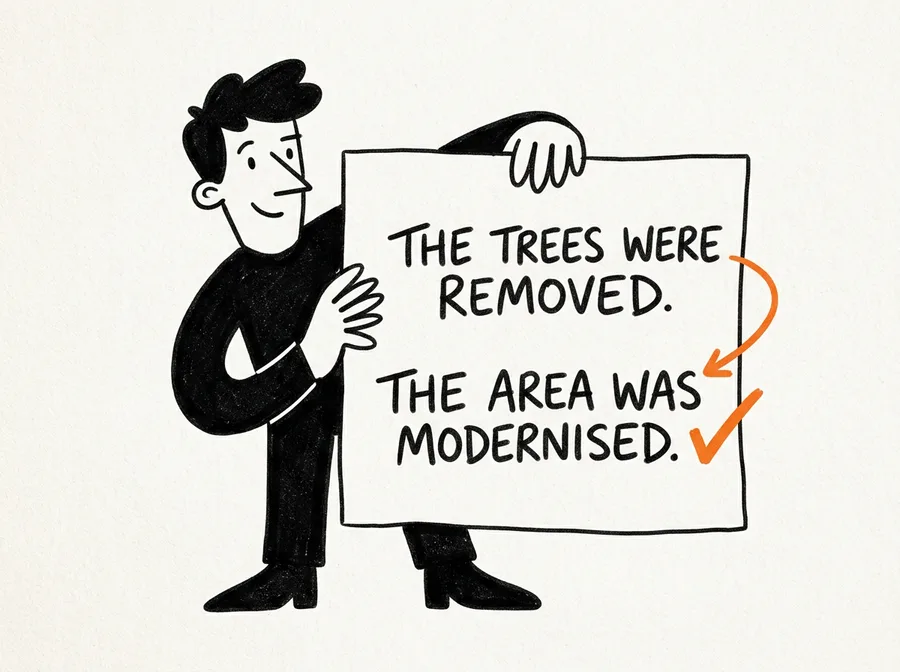
Write overviews for maps and processes focusing on major spatial changes or sequence stages.

Sprint 15
Review: Master The Overview
Review and synthesize the skills of selecting key features and writing clear overviews for all visual types.
Four Paragraphs That Flow
Chapter 4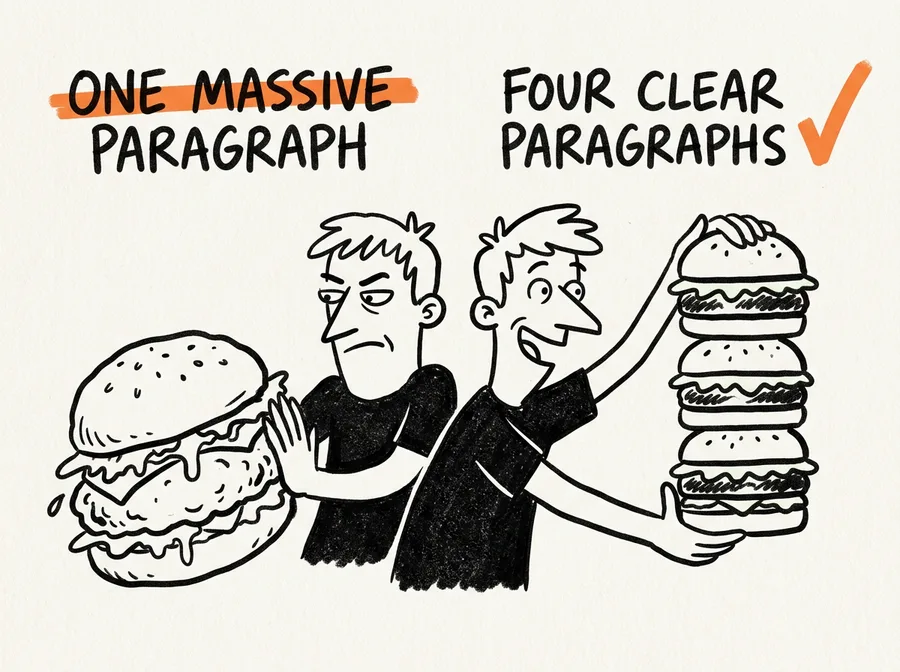
Chapter 4 · Start here
Four Paragraphs That Flow
Turn what you see in the chart into a clear four-paragraph report.

Sprint 16
The Four-Part Report
Understand and apply the standard 4-paragraph structure for IELTS Task 1.
Sprint 17
Write The Introduction Safely
Paraphrase the task prompt accurately without altering the core meaning.

Sprint 18
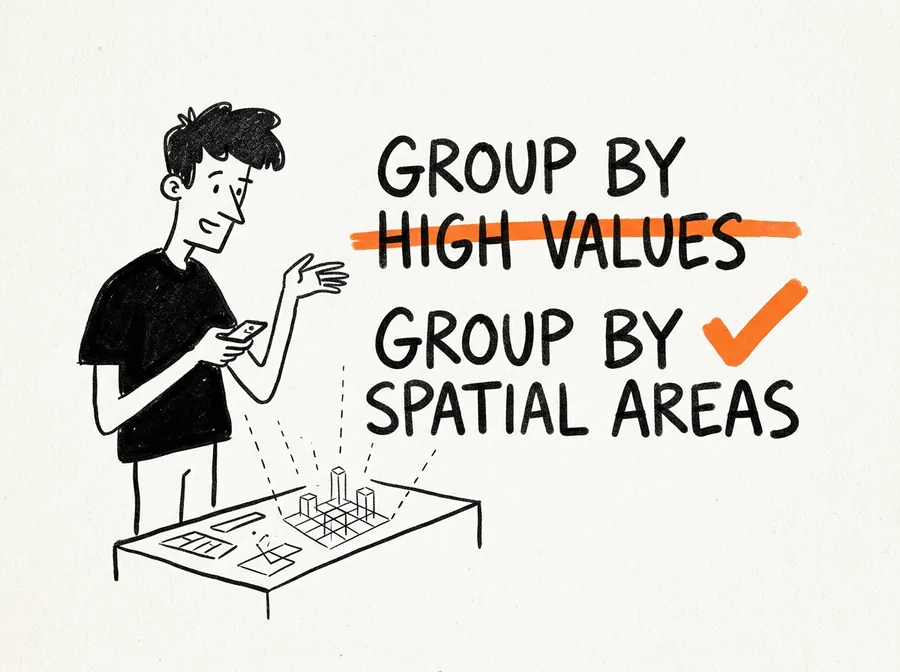
Group Details Logically
Organize visual data into two logical detail paragraphs.

Sprint 19
Coherence Without Over-Linking
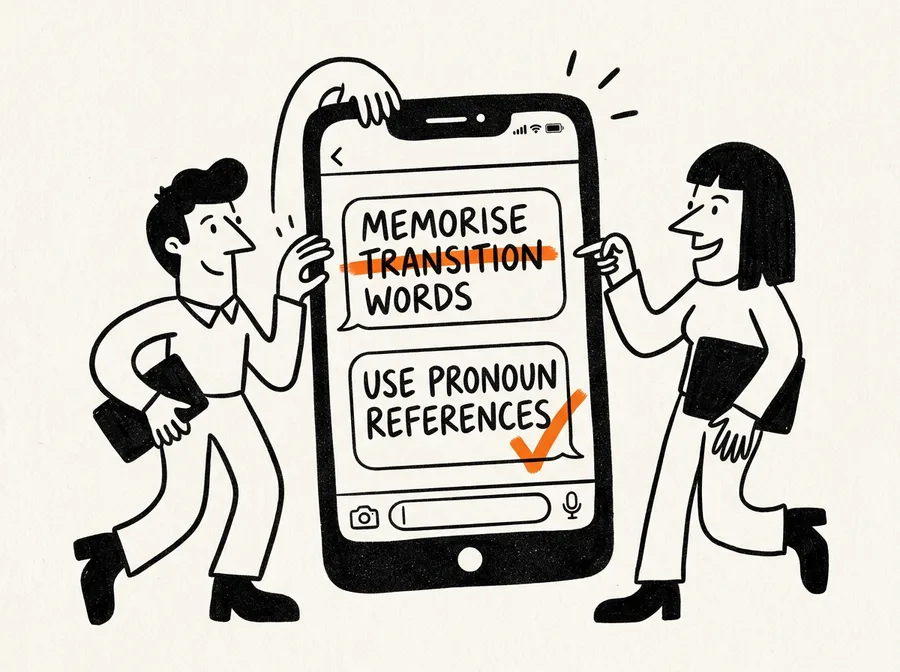
Achieve paragraph flow using reference and comparison rather than excessive mechanical linkers.
Sprint 20
Review: Four Paragraphs That Flow
Synthesize report structure, safe paraphrasing, logical grouping, and natural cohesion.
Charts — Line, Bar, Table & Pie
Chapter 5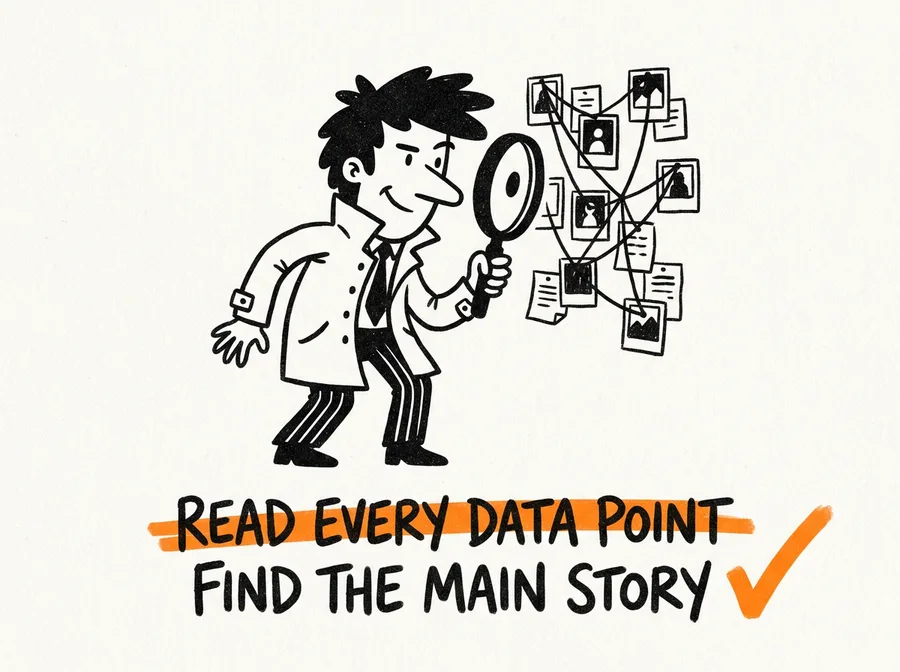
Chapter 5 · Start here
Charts — Line, Bar, Table & Pie
Read line graphs, bar charts, tables and pie charts, and pick out what matters in each one.
Sprint 21
Line Graphs
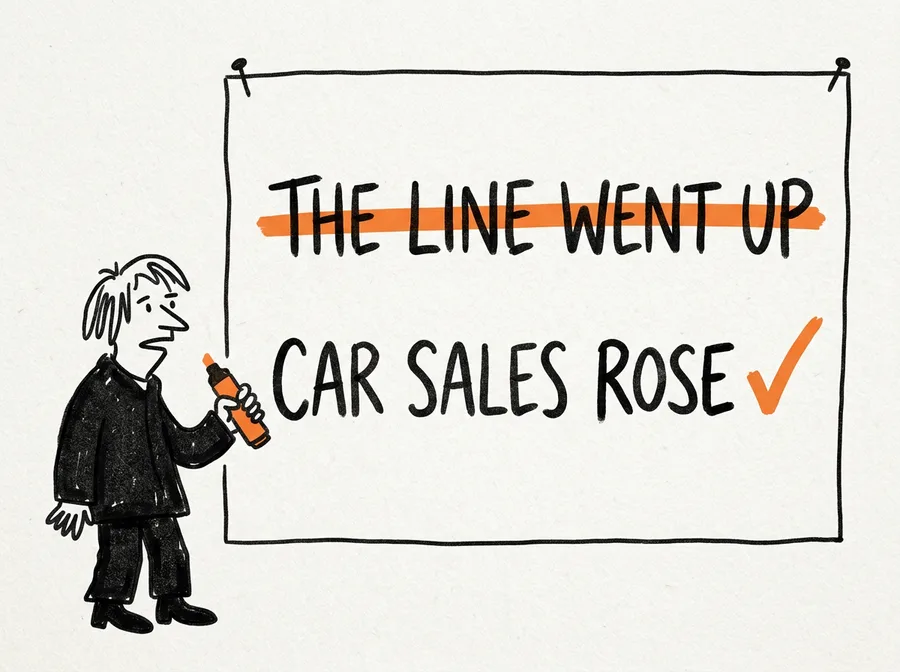
Report the main trends, peaks, dips and crossing lines in a line graph.

Sprint 22
Bar Charts
Rank categories, spot gaps and group the data in a bar chart.

Sprint 23
Tables
Scan rows and columns for patterns and exceptions, without listing every number.

Sprint 24
Pie Charts
Describe shares and combined shares, and compare several pie charts.

Sprint 25
Combined Charts
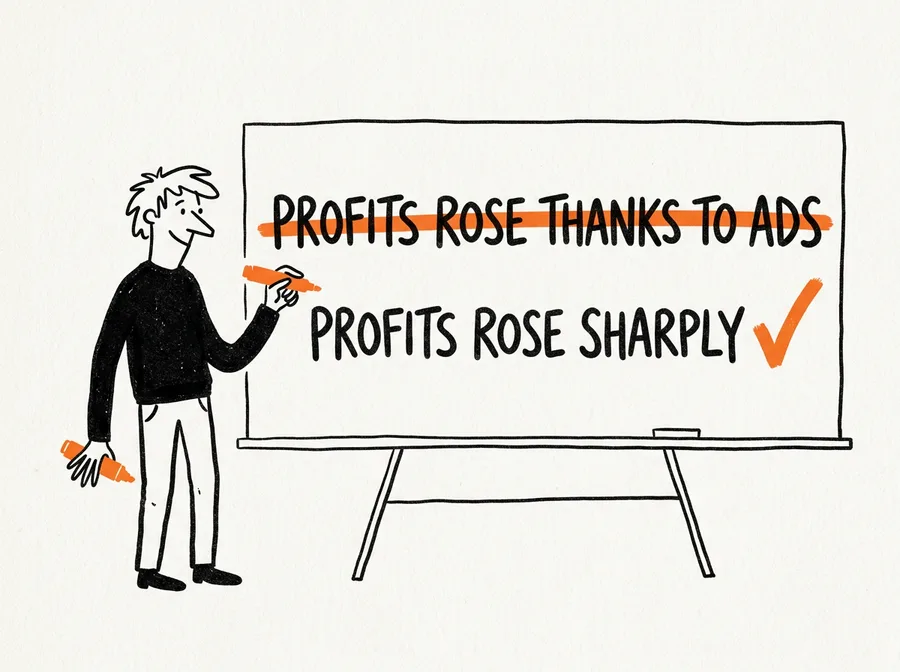
Connect two related charts in one report without inventing a cause between them.
Sprint 26
Review: Mastering Quantitative Charts
Synthesize the reading patterns and reporting strategies for line graphs, bar charts, tables, pie charts, and combined visuals.
Maps, Processes & Diagrams
Chapter 6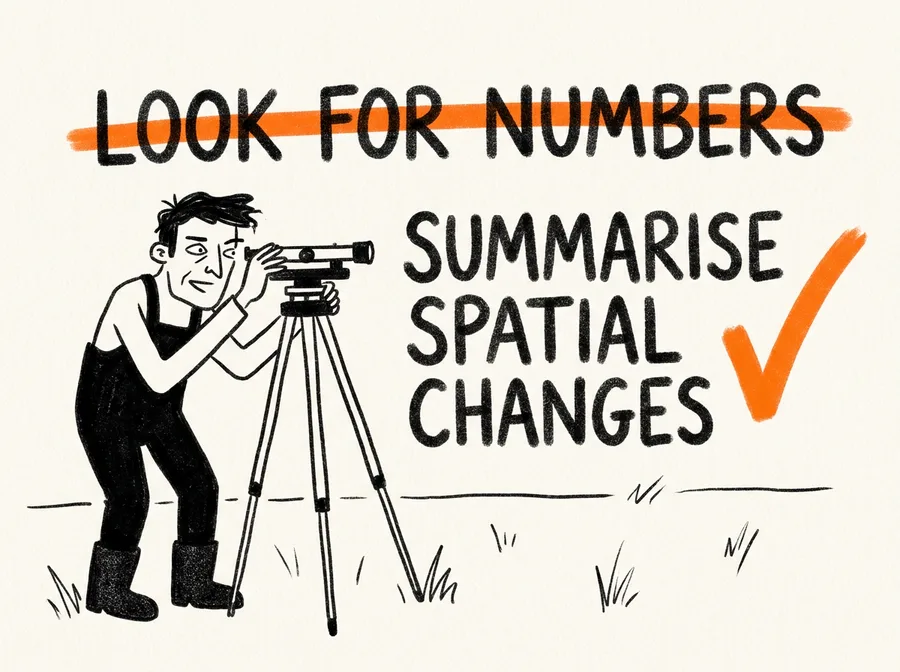
Chapter 6 · Start here
Maps, Processes & Diagrams
Describe maps, processes and diagrams: changes over time, steps in order, and how things work.

Sprint 27
Maps And Plans
Describe changes, locations and new developments in before-and-after maps.

Sprint 28
Process Diagrams
Put the stages of a process in order, group the steps, and use the passive to describe them.

Sprint 29
Natural Cycles
Describe a natural cycle that repeats, with the right verbs.

Sprint 30
Object And Machine Diagrams
Describe an object's parts, where they are and what they do, without over-explaining how it works.

Sprint 31
Review: Maps, Processes And Diagrams
Synthesize spatial, sequential, and functional descriptive skills for non-chart visuals.
Language For Visual Reports
Chapter 7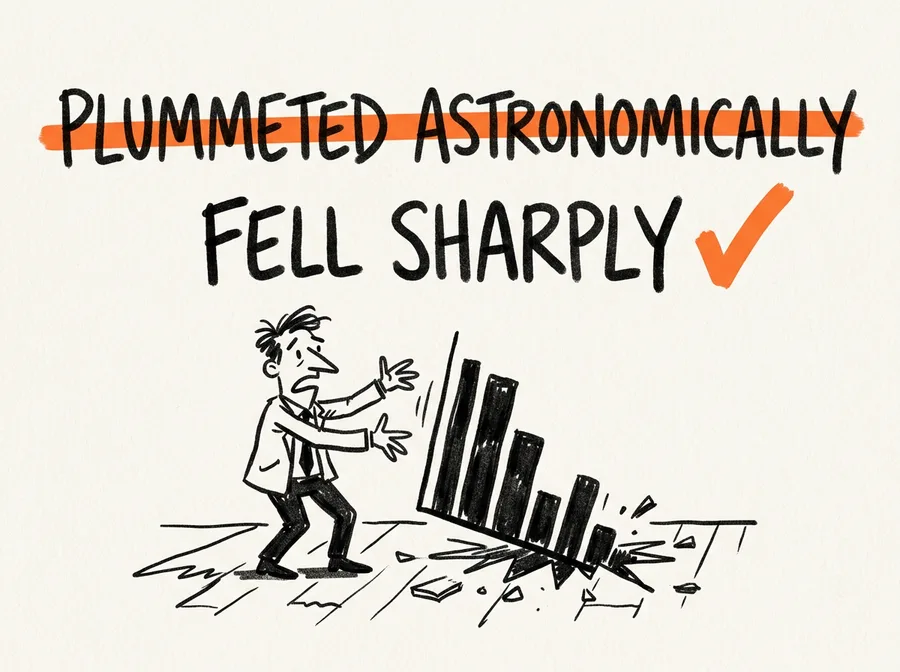
Chapter 7 · Start here
Language For Visual Reports
The exact words and grammar for trends, comparisons and numbers, so your report is clear and correct.

Sprint 32
Trend Vocabulary Without Repetition
Words for rises and falls that don't repeat, and the words that go with them.

Sprint 33
Comparison Grammar
Write comparison sentences that are clean and correct.

Sprint 34
Approximation And Number Accuracy
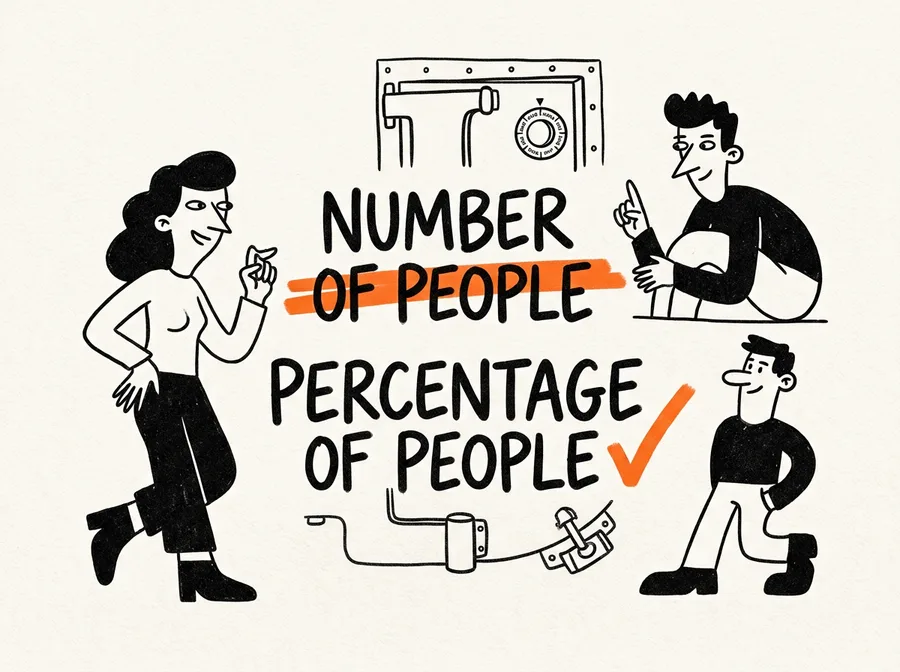
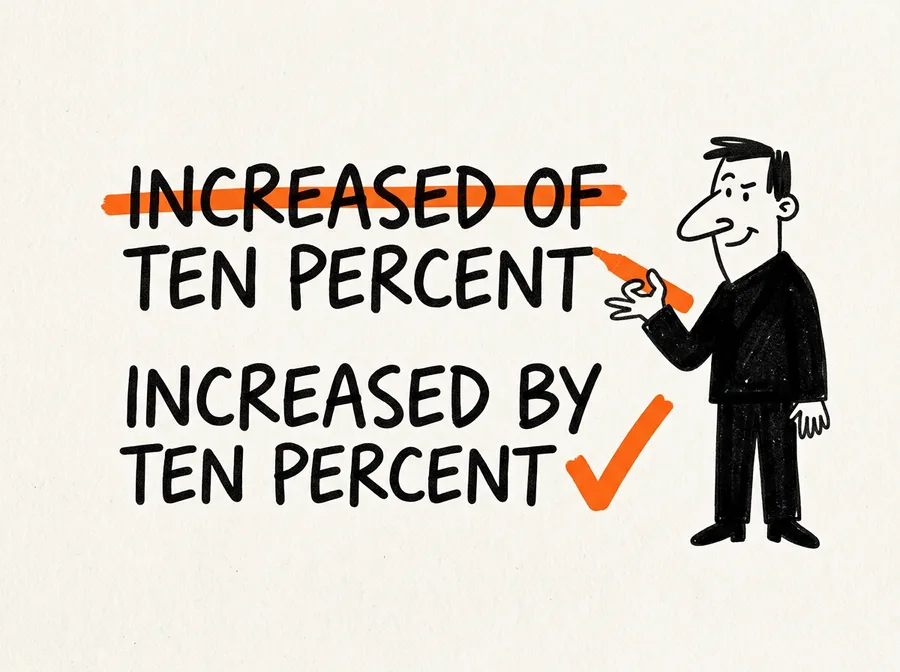
Use words like about and just over without changing what the numbers say.

Sprint 35
Grammar For Visual Types
Choose the right tense, and active or passive, for each kind of visual.

Sprint 36
Sentence Variety Without Losing Control
Vary your sentences without adding grammar mistakes.
Sprint 37
Review: Language For Visual Reports
Synthesize and apply precise language, grammar, and sentence variety to IELTS Task 1 visual reports.
Timed Reports And Rewrites
Chapter 8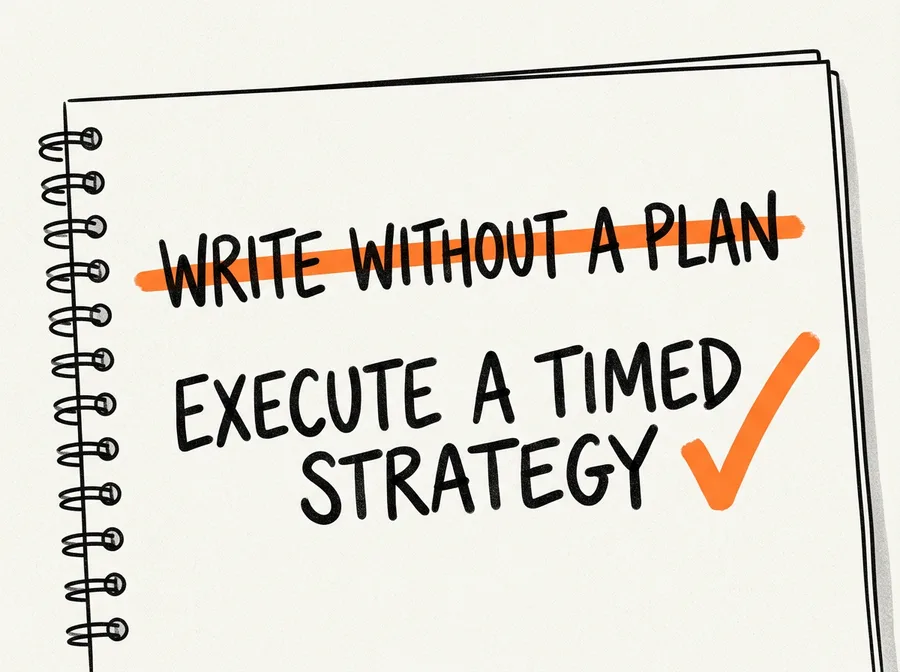
Chapter 8 · Start here
Timed Reports And Rewrites
Put it all together: write timed reports, read the feedback on each scoring area, and rewrite.

Sprint 38
Timed Chart Report
Execute a complete chart report within 20 minutes using a structured workflow.
Sprint 39
Timed Map Or Process Report
Adapt the 20-minute workflow to handle maps and process diagrams effectively.

Sprint 40
Reading Your Score Feedback
Interpret feedback through the lens of the official IELTS grading criteria to target high-impact fixes.

Sprint 41
Your Personal Task 1 Routine
Synthesize chapter skills into a personal, repeatable system for exam day.