Class 9–10 Academic Vocabulary Builder
Modern vocabulary teaching is not “give definition + memorize.” Strong instruction uses repeated exposure across contexts, student-friendly meaning, examples/non-examples, word relationships, sorting/classifying, and usage practice.
Chapter 1: Thinking & Learning Words
Chapter 1
Chapter 1 · Start here
Chapter 1: Thinking & Learning Words
Students learn words used in textbooks, exam questions, explanations, reasoning, and classroom discussion.

Sprint 1
Sprint 1.1: Observe, Identify, Interpret
Student can separate seeing, identifying, analysing, interpreting, and inferring.

Sprint 2
Sprint 1.2: Explain, Define, Demonstrate
Student can choose the right academic verb for different explanation tasks.
Sprint 3
Sprint 1.3: Predict, Conclude, Infer
Student can use evidence-based thinking words without guessing.

Sprint 4
Sprint 1.4: Evaluate, Assess, Judge
Student can use judgement words with evidence and criteria.

Sprint 5
Sprint 1.5: Analyse, Synthesize, Apply
Student can distinguish breaking ideas apart, putting ideas together, and using ideas.
Sprint 6
Sprint 1.6: Chapter Review
Review and synthesize academic vocabulary for thinking, learning, and reasoning.
Chapter 2: Compare, Classify & Be Precise
Chapter 2
Chapter 2 · Start here
Chapter 2: Compare, Classify & Be Precise
Students learn vocabulary for grouping, comparing, distinguishing, and expressing exact meaning.

Sprint 7
Sprint 2.1: Compare And Contrast
Students can accurately use words that highlight similarities and differences.
Sprint 8
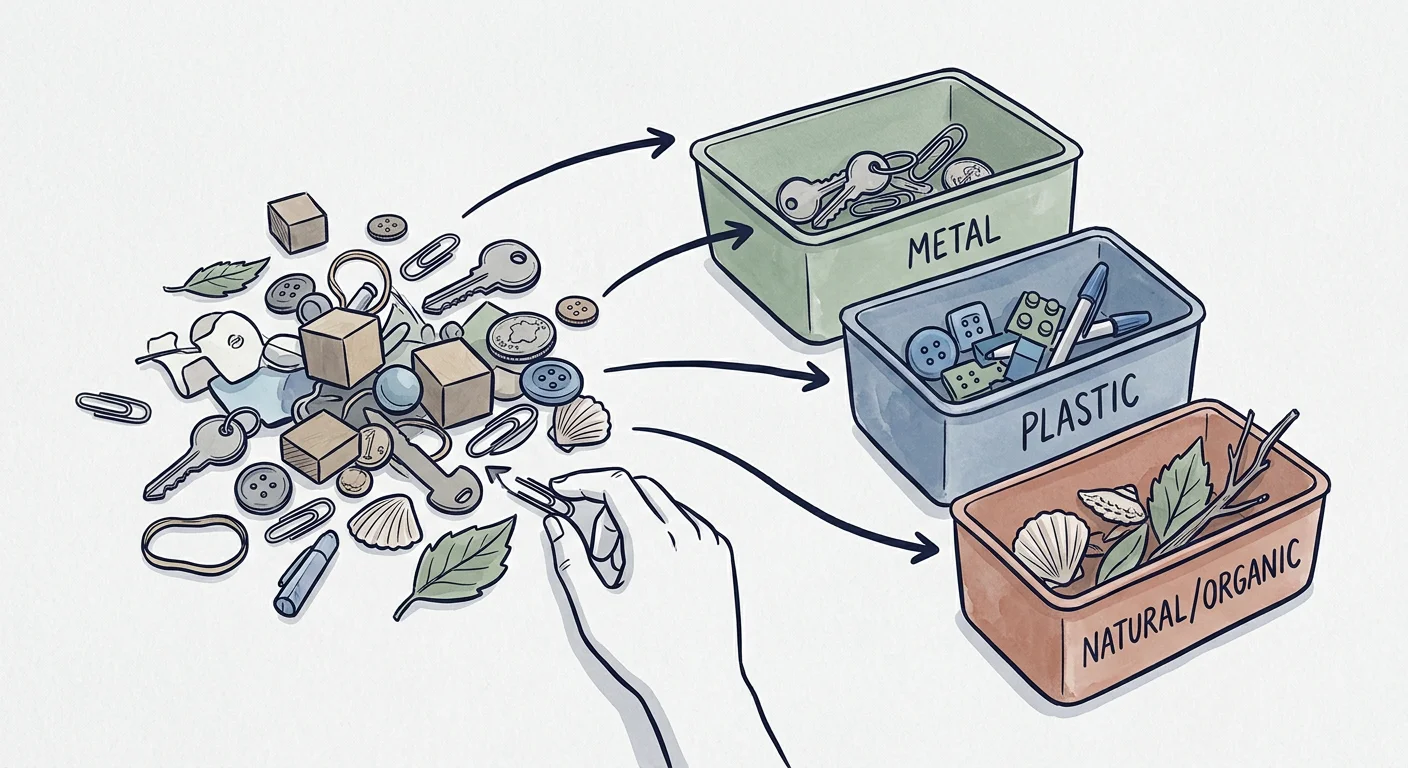
Sprint 2.2: Classify And Categorize
Students can use vocabulary related to grouping items by shared features or criteria.

Sprint 9
Sprint 2.3: Distinguish And Differentiate
Students can articulate meaningful differences between closely related concepts.
Sprint 10
Sprint 2.4: Precise And Relevant
Students can evaluate and use vocabulary that denotes exactness, correctness, and applicability.

Sprint 11
Sprint 2.5: General And Specific
Students can navigate the spectrum from broad, abstract ideas to narrow, concrete examples.
Sprint 12
Chapter 2 Review: Precision In Practice
Students synthesize and apply vocabulary for comparing, classifying, distinguishing, and specifying.
Chapter 3: Cause, Change & Process
Chapter 3
Chapter 3 · Start here
Chapter 3: Cause, Change & Process
Students learn precise academic vocabulary for explaining why things happen, how things change, and how processes work.
Sprint 13
Sprint 3.1: Cause And Effect
Student can accurately use vocabulary to distinguish between the triggers of an event and its resulting impacts.

Sprint 14
Sprint 3.2: Change In Amount
Student can describe quantitative trends and movements using precise verbs and nouns.

Sprint 15
Sprint 3.3: Develop And Transform
Student can articulate different scales of change over time, from minor modifications to complete transformations.

Sprint 16
Sprint 3.4: Protect, Preserve, Restore
Student can distinguish between vocabulary used for preventing damage, maintaining current states, and repairing past damage.

Sprint 17
Sprint 3.5: Process And Sequence
Student can accurately describe the order, stages, and repeating patterns of events.
Sprint 18
Chapter 3 Review: Cause, Change & Process
Synthesize and review vocabulary for causes, trends, transformations, protection, and processes.
Chapter 4: Argument, Evidence & Evaluation
Chapter 4
Chapter 4 · Start here
Chapter 4: Argument, Evidence & Evaluation
Students learn vocabulary for essays, debate, social science, literature analysis, and exam reasoning.

Sprint 19
Sprint 4.1: Claim, Evidence, Reasoning
Student can identify and use the structural vocabulary of an argument: claim, evidence, reason, and conclusion.
Sprint 20
Sprint 4.2: Agree, Challenge, Refute
Student can use precise verbs to describe how they respond to ideas, distinguishing between challenging, refuting, and supporting.

Sprint 21
Sprint 4.3: Perspective And Stance
Student can articulate different viewpoints using words like perspective, stance, and position.

Sprint 22
Sprint 4.4: Advantage, Limitation, Trade-off
Student can evaluate ideas by discussing their benefits, drawbacks, and trade-offs.

Sprint 23
Sprint 4.5: Significant, Relevant, Sufficient
Student can precisely describe the importance and adequacy of evidence using words like significant, relevant, and sufficient.
Sprint 24
Sprint 4.6: Chapter Review
Student synthesizes vocabulary for arguments, evidence, and evaluation, demonstrating the ability to use these terms precisely in academic contexts.
Chapter 5: STEM, Data & Technical Reading
Chapter 5
Chapter 5 · Start here
Chapter 5: STEM, Data & Technical Reading
Equip students with the precise academic vocabulary required to comprehend and analyze texts in science, mathematics, geography, and economics.

Sprint 25
Sprint 5.1: System, Structure, Function
Understand and accurately use vocabulary related to systems, their parts, and their purposes.
Sprint 26
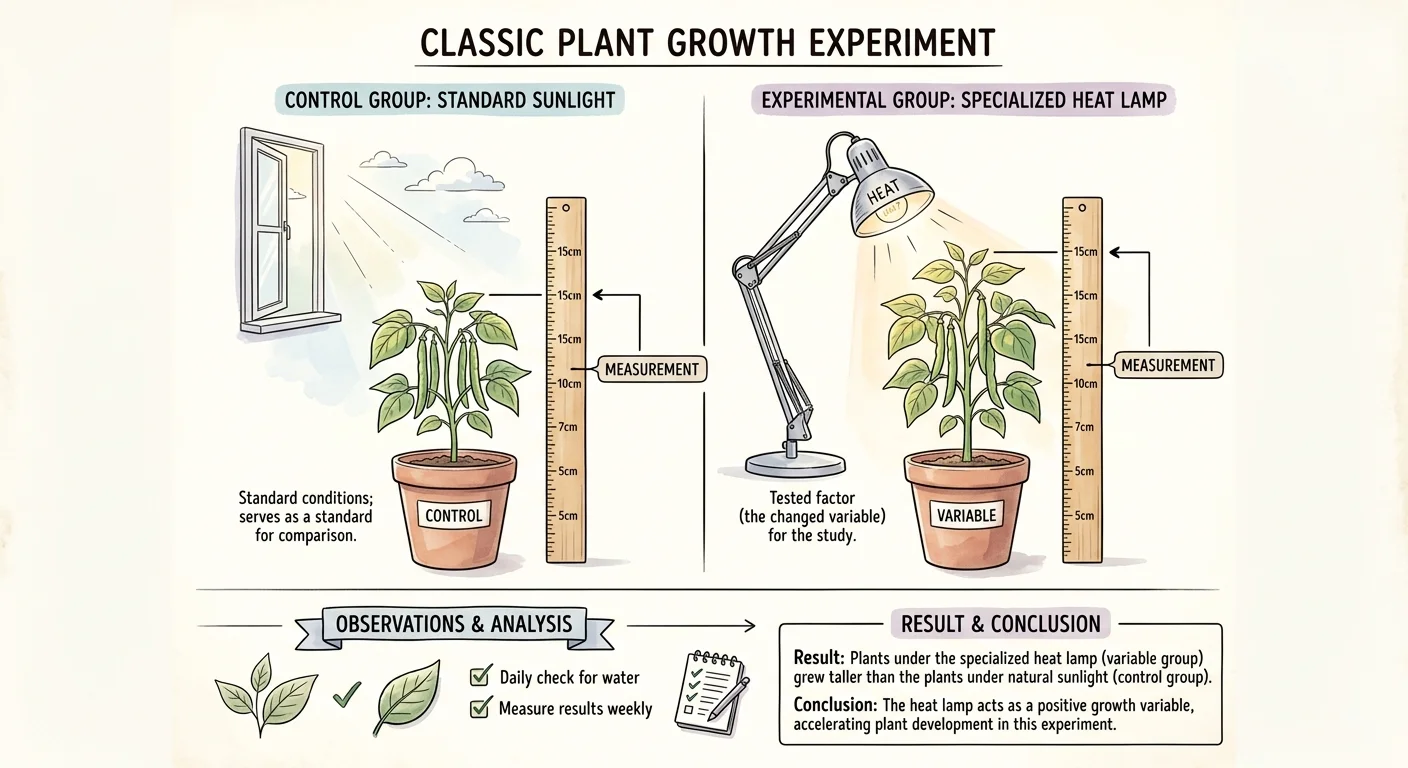
Sprint 5.2: Experiment And Method
Master the vocabulary of scientific inquiry, testing, and methodology.

Sprint 27
Sprint 5.3: Accurate, Reliable, Valid
Distinguish between nuances of evidence quality, such as accuracy, precision, reliability, and validity.
Sprint 28
Sprint 5.4: Data, Graphs, And Trends
Learn the precise vocabulary needed to describe numerical data, charts, and statistical patterns.

Sprint 29
Sprint 5.5: Resources, Economy, Environment
Acquire the academic vocabulary necessary for reading social science, geography, and economics texts.
Sprint 30
Chapter 5 Review: STEM & Technical Reading
Synthesize and review all technical and academic vocabulary learned in this chapter.
Chapter 6: Literature, Tone & Human Behaviour
Chapter 6
Chapter 6 · Start here
Chapter 6: Literature, Tone & Human Behaviour
Students learn words needed for literature, character analysis, tone, mood, theme, and human behaviour.

Sprint 31
Sprint 6.1: Character And Motivation
Student can use precise vocabulary to describe character traits, motives, and development.
Sprint 32
Sprint 6.2: Tone And Mood
Student can distinguish between tone and mood and use precise adjectives to describe them.

Sprint 33
Sprint 6.3: Imagery, Symbol, Theme
Student can explain how imagery and symbols build up to reveal a story's theme.

Sprint 34
Sprint 6.4: Conflict, Climax, Resolution
Student can trace the narrative arc using precise plot vocabulary.

Sprint 35
Sprint 6.5: Emotion And Behaviour Nuance
Student can use nuanced vocabulary to describe complex character emotions and behaviours.
Sprint 36
Chapter 6 Review
Student can synthesize and apply vocabulary related to character, tone, theme, plot, and emotion.
Chapter 7: Writing Upgrade & Academic Expression
Chapter 7
Chapter 7 · Start here
Chapter 7: Writing Upgrade & Academic Expression
Students learn words that directly improve essays, long answers, explanations, and school writing.
Sprint 37
Sprint 7.1: Improve And Refine
Differentiate between general improvement and precise refinement in writing.

Sprint 38
Sprint 7.2: Modify And Restructure
Use precise verbs to describe changing form without losing meaning.

Sprint 39
Sprint 7.3: Elaborate And Substantiate
Expand ideas meaningfully using evidence and detailed explanation.

Sprint 40
Sprint 7.4: Condense And Clarify
Shorten and clarify vague writing using precise verbs.

Sprint 41
Sprint 7.5: Link And Transition
Connect ideas logically using advanced transition words.
Sprint 42
Chapter 7 Review: Academic Expression
Synthesize and apply academic expression vocabulary across various writing contexts.