IELTS Reading Strategy: Find The Answer, Skip The Rest
Stop treating IELTS Reading like normal reading. Learn how questions hide answers, how passages signal structure, and how to move from guesswork to evidence-based accuracy.
How IELTS Reading Really Works
Chapter 1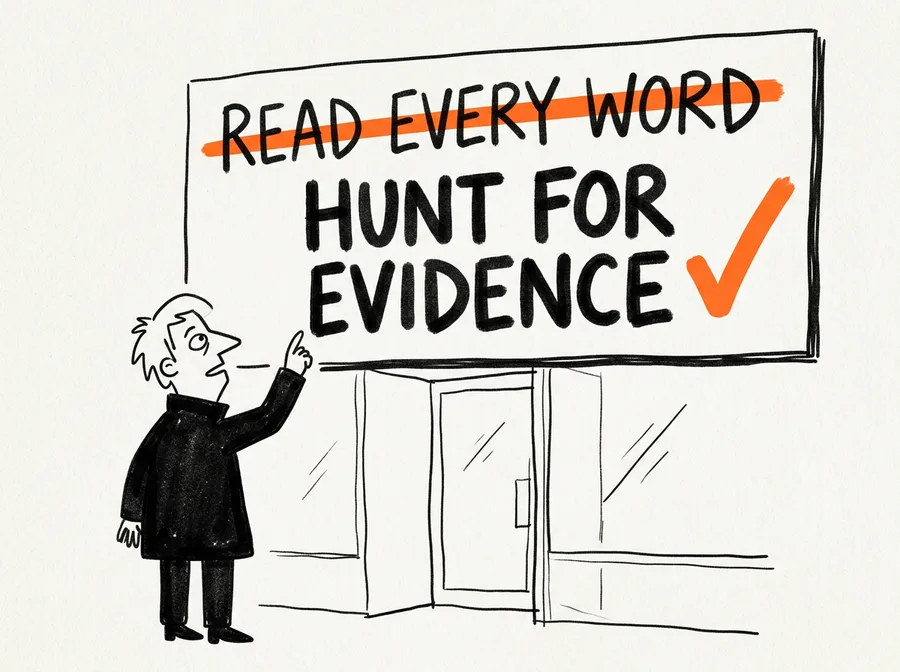
Chapter 1 · Start here
How IELTS Reading Really Works
IELTS Reading is a hunt for evidence, not a normal reading exercise. See what it really tests and how to stop running out of time.
Sprint 1
What IELTS Reading Really Tests
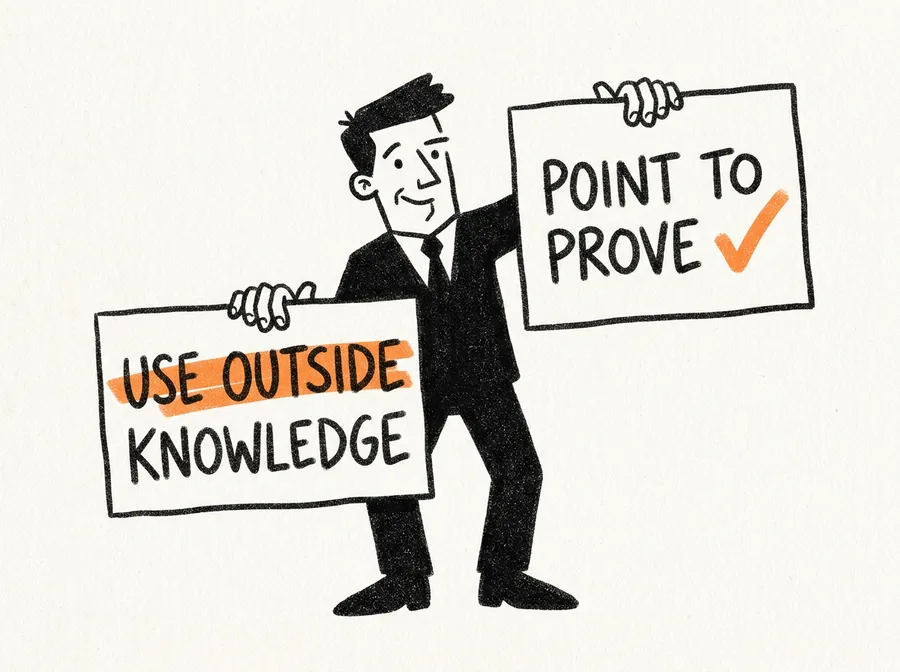
What IELTS Reading tests: speed, finding evidence, spotting paraphrase, and logic.
Sprint 2
Academic Vs General Reading
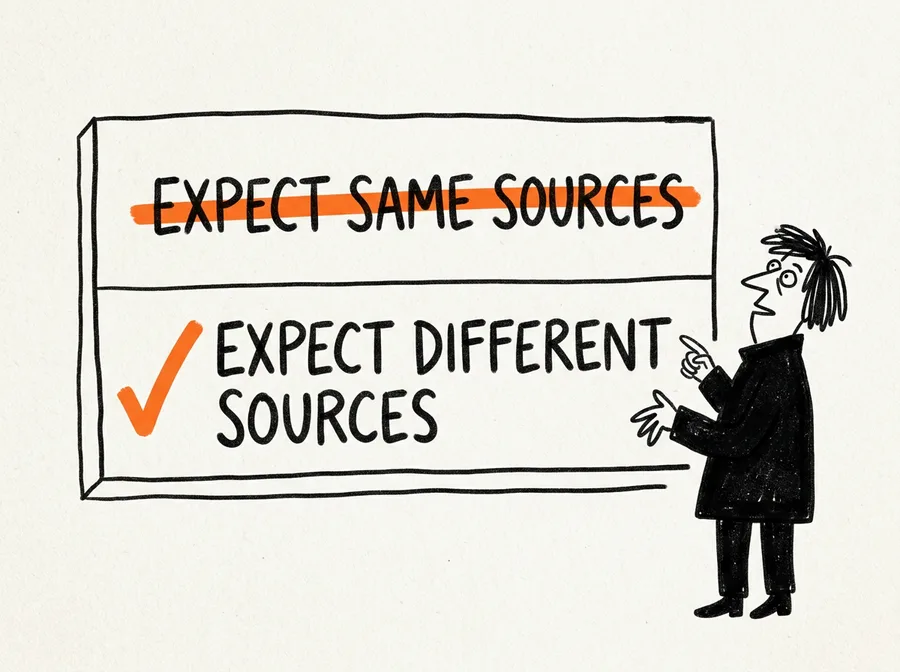
How Academic and General Training reading passages differ, and what each one expects from you.

Sprint 3
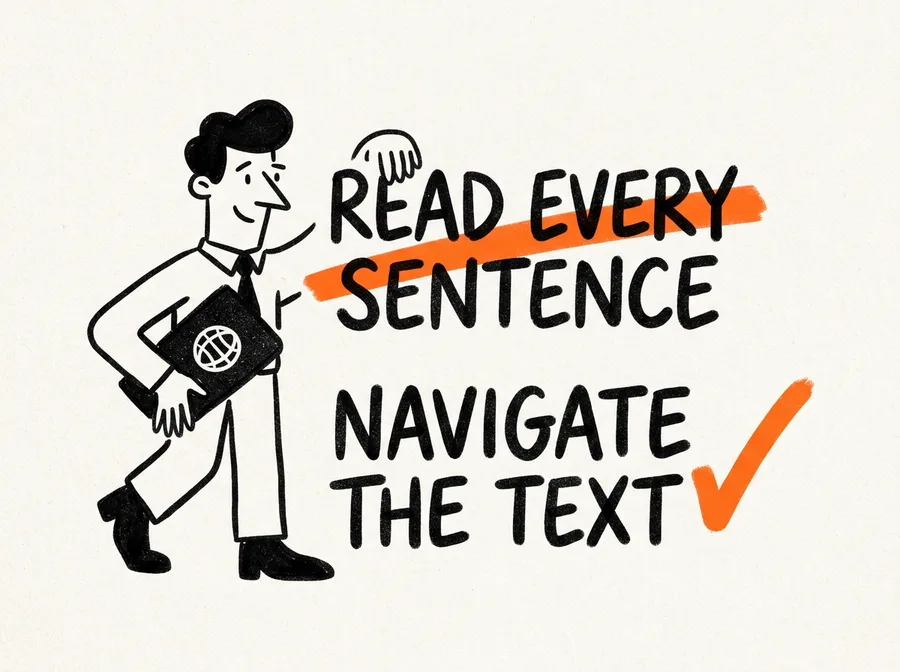
Why Reading Every Word Fails
A question-first way of reading that fits inside the 60-minute limit.

Sprint 4
Review: How IELTS Reading Works
Look back at the core reading strategies and check you understand the test format.
Finding Your Way Through A Passage
Chapter 2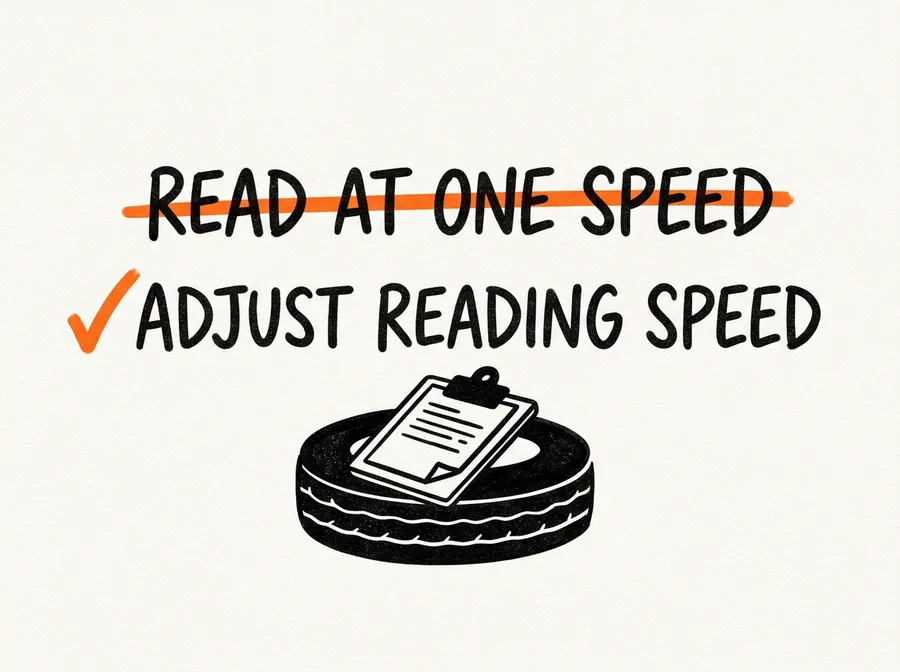
Chapter 2 · Start here
Finding Your Way Through A Passage
Skim, scan, predict, find and check: the five moves for getting around a passage quickly.

Sprint 5
Skimming For Structure
Skim a paragraph to see what job it does, instead of reading every detail.

Sprint 6
Scanning For Evidence
Scan for names, numbers and unusual phrases to find the evidence fast.
Sprint 7
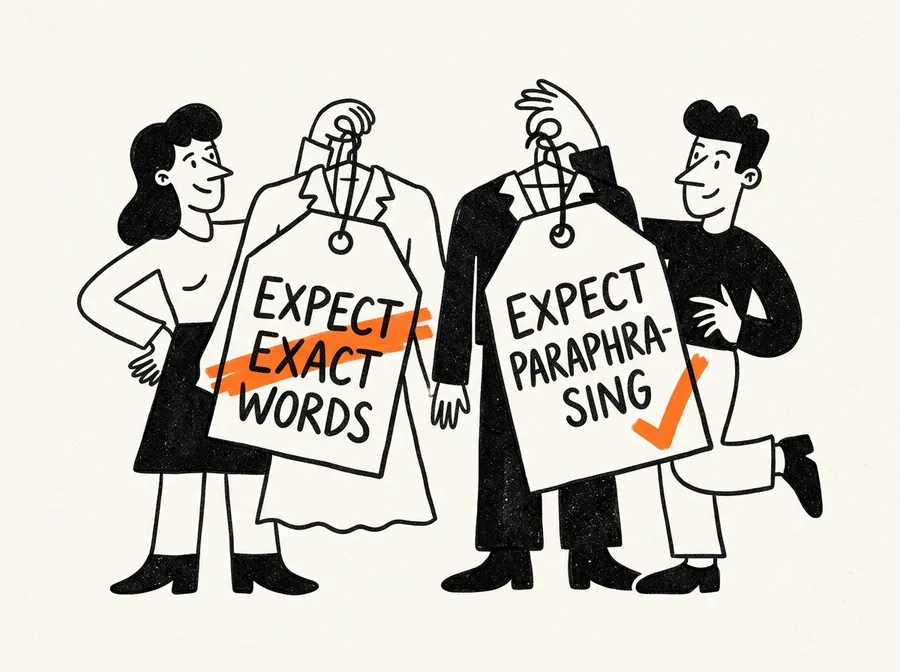
Paraphrase Detection
Spot the different ways a question rephrases the words in the passage.

Sprint 8
Keyword Prediction
Use the question's key words to predict what kind of answer to look for before you search.
Sprint 9
Review: Finding Your Way Through A Passage
Check your skimming, scanning and paraphrase-spotting before moving on.
Detail Questions: True, False, Not Given And Matching
Chapter 3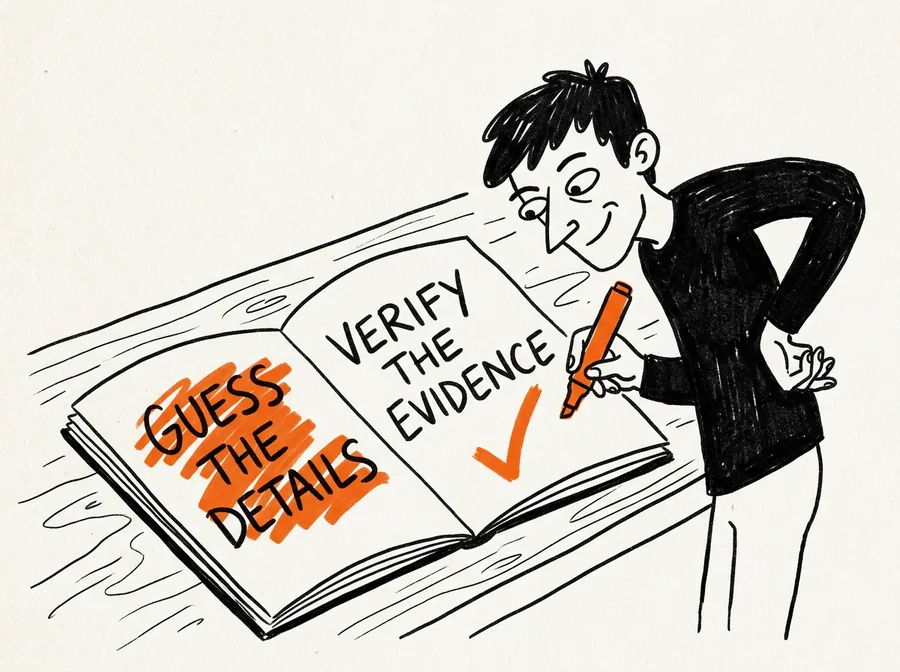
Chapter 3 · Start here
Detail Questions: True, False, Not Given And Matching
Answer detail questions by finding and checking the exact words in the passage.
Sprint 10
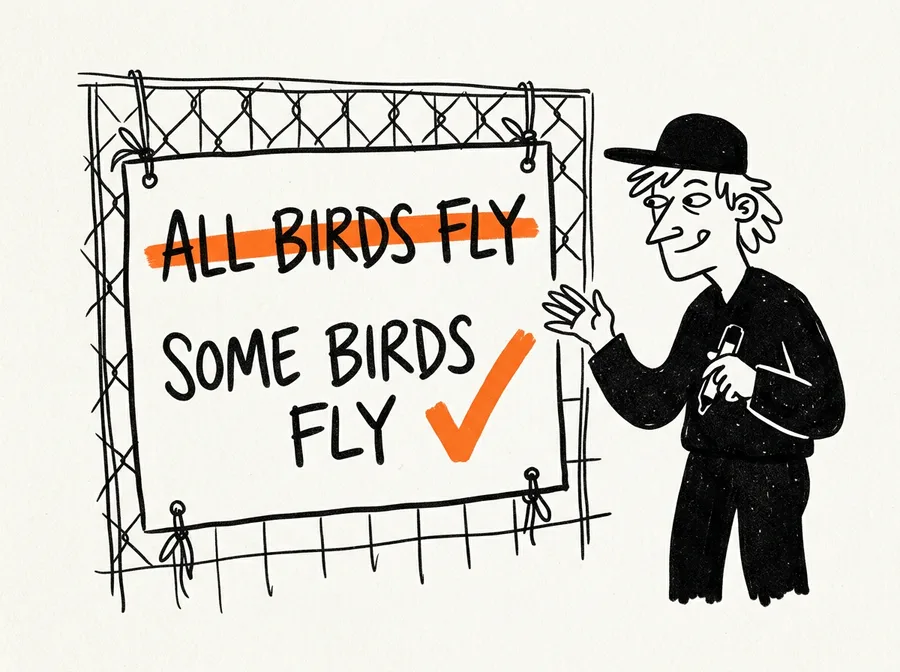
True / False / Not Given
Tell False (the passage says the opposite) from Not Given (the passage doesn't say) using strict evidence.

Sprint 11
Yes / No / Not Given
See how opinion questions (Yes, No, Not Given) differ from fact questions (True, False, Not Given).

Sprint 12
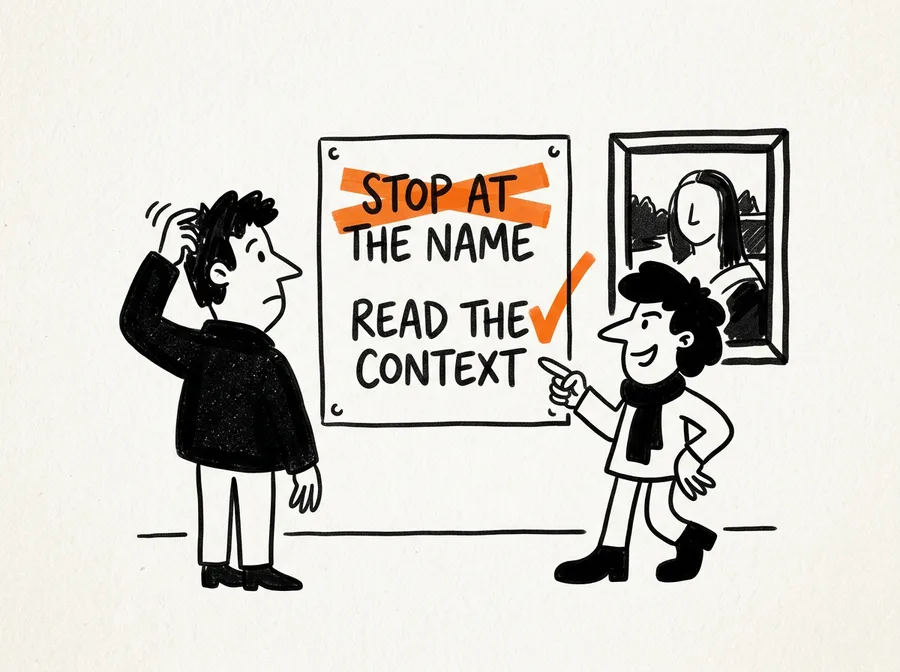
Matching Information
Find a specific detail inside a paragraph without confusing it with the paragraph's main idea.
Sprint 13
Matching Features
Track people, places and dates through a passage, and match each one to what is said about it.

Sprint 14
Review: Detail Questions
Check your True/False/Not Given and matching answers before moving on.
Main Idea And Structure Questions
Chapter 4
Chapter 4 · Start here
Main Idea And Structure Questions
See how paragraphs and whole passages are built, for heading, sentence-ending and argument questions.

Sprint 15
Matching Headings
Pick the right heading by finding the main idea and ignoring key-word traps in the details.

Sprint 16
Matching Sentence Endings
Match sentence beginnings to endings that fit both the grammar and the passage.
Sprint 17
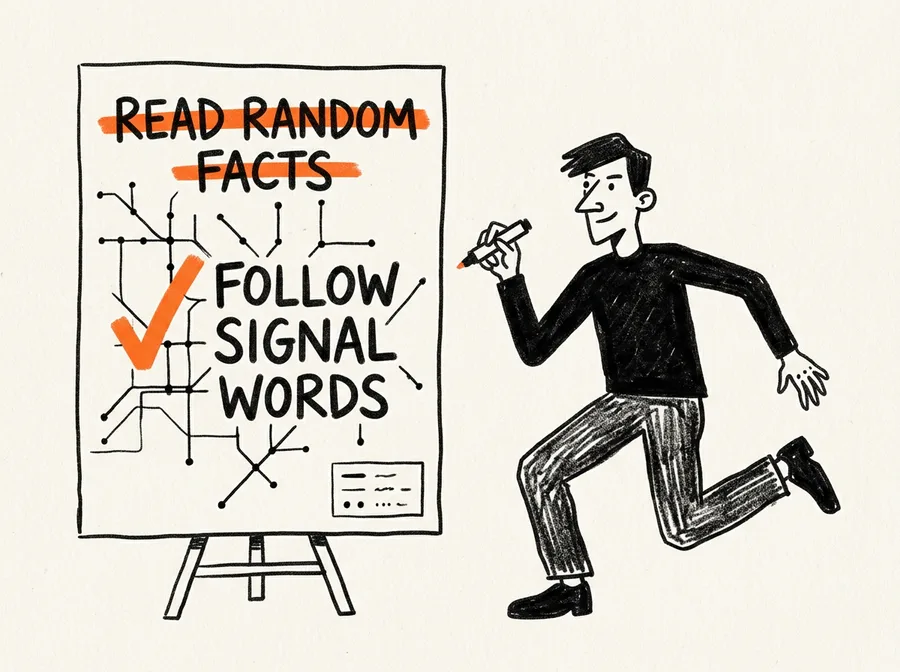
Argument Flow
Follow the writer's argument through signal words for contrast, evidence and conclusion.
Sprint 18
Review: Main Idea And Structure
Check your heading, sentence-ending and argument answers before moving on.
Completion Questions
Chapter 5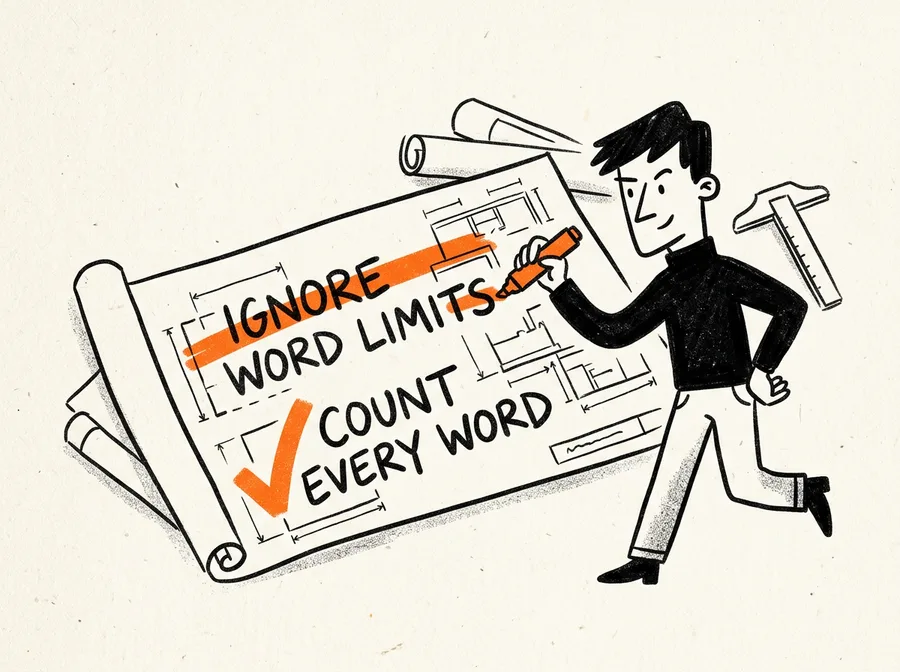
Chapter 5 · Start here
Completion Questions
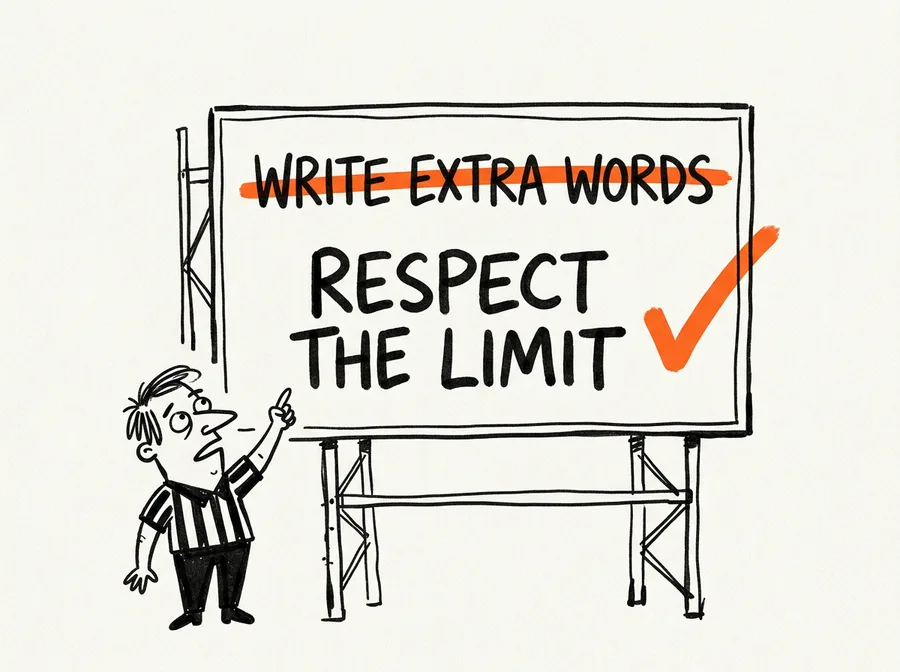
Fill gaps correctly by predicting the kind of word needed, finding it in the passage, and keeping to the word limit.
Sprint 19
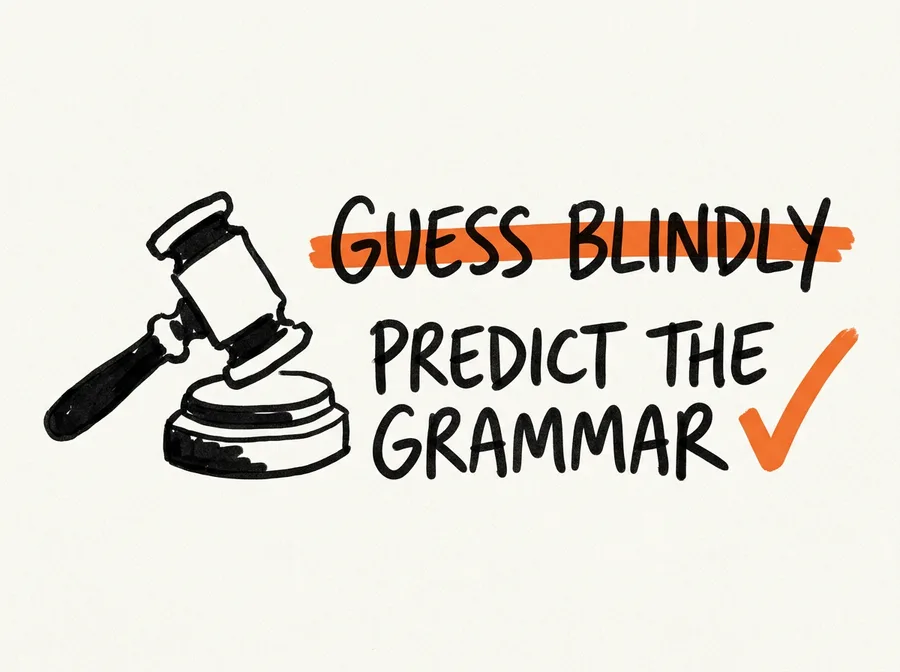
Sentence Completion
Predict what kind of word is missing, and fill the gap with the passage's exact words, within the limit.
Sprint 20
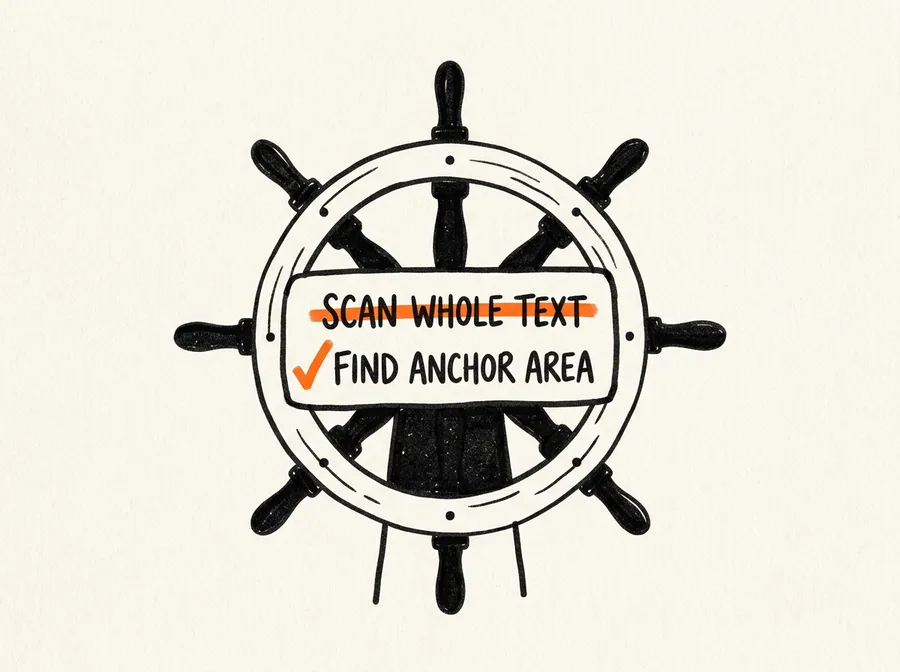
Summary / Note / Table Completion
Complete summaries, notes and tables by treating them as short versions of one part of the passage.
Sprint 21
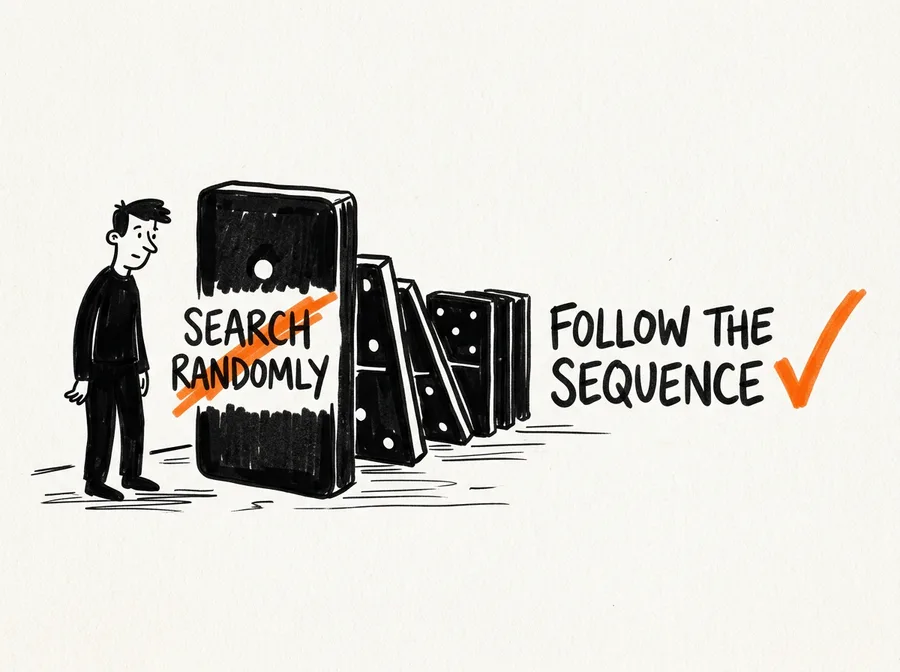
Flow-Chart Completion
Complete flow-charts by following the order of stages in the text.

Sprint 22
Diagram Label Completion
Label diagrams by matching place words in the text to parts of the picture.
Sprint 23
Review: Completion Questions
Check your gap-filling, process and word-limit skills before moving on.
Traps, Hidden Meaning And The Writer's View
Chapter 6
Chapter 6 · Start here
Traps, Hidden Meaning And The Writer's View
Avoid the answers designed to trick you, read what is implied, and work out what the writer thinks.
Sprint 24
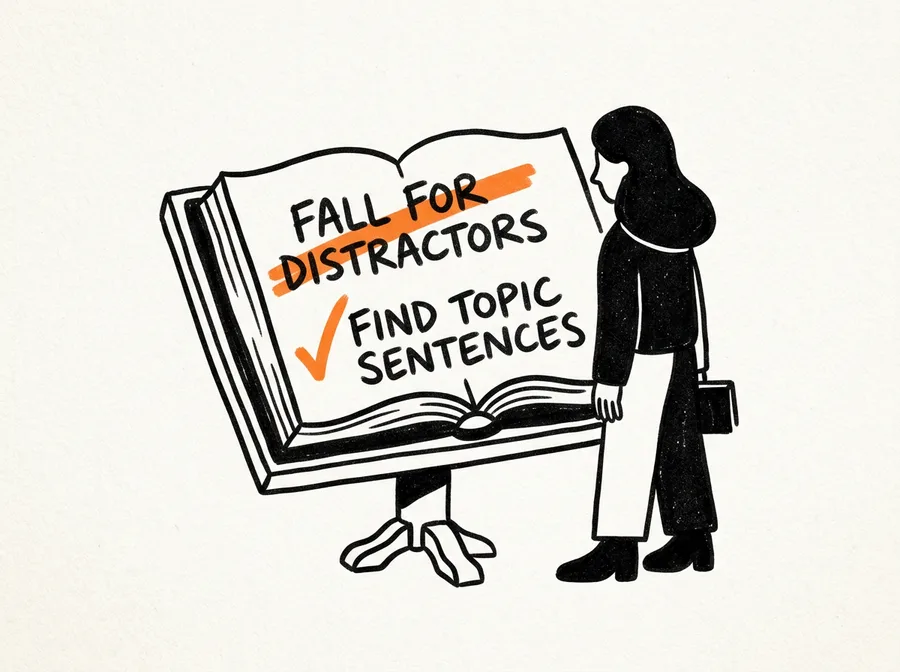
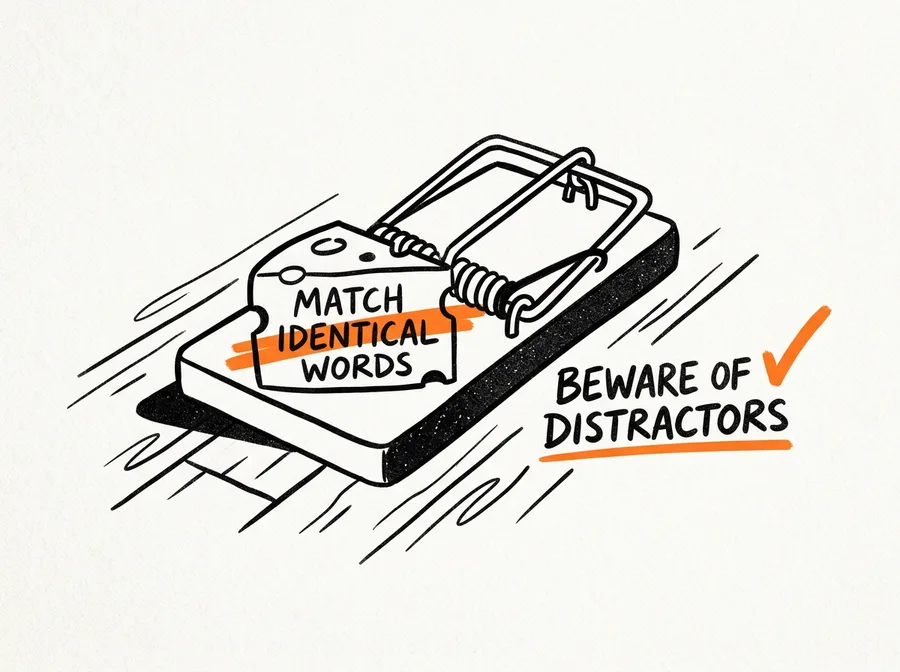
Distractor Traps
Name the common traps, too broad, too narrow, opposite and not stated, and use them to rule out wrong answers.
Sprint 25
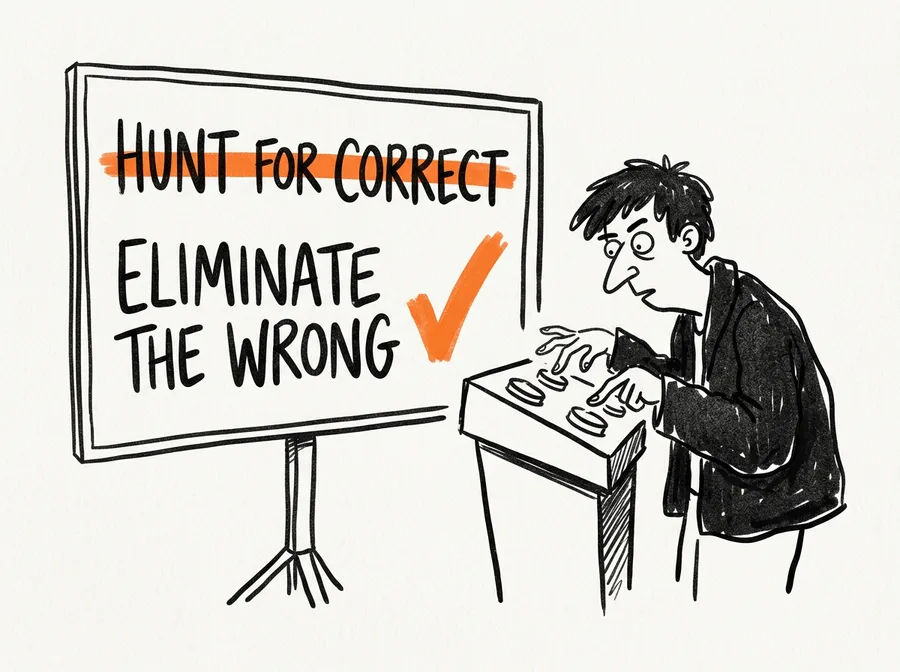
Multiple Choice
Solve multiple-choice questions by ruling out wrong options before you choose.
Sprint 26
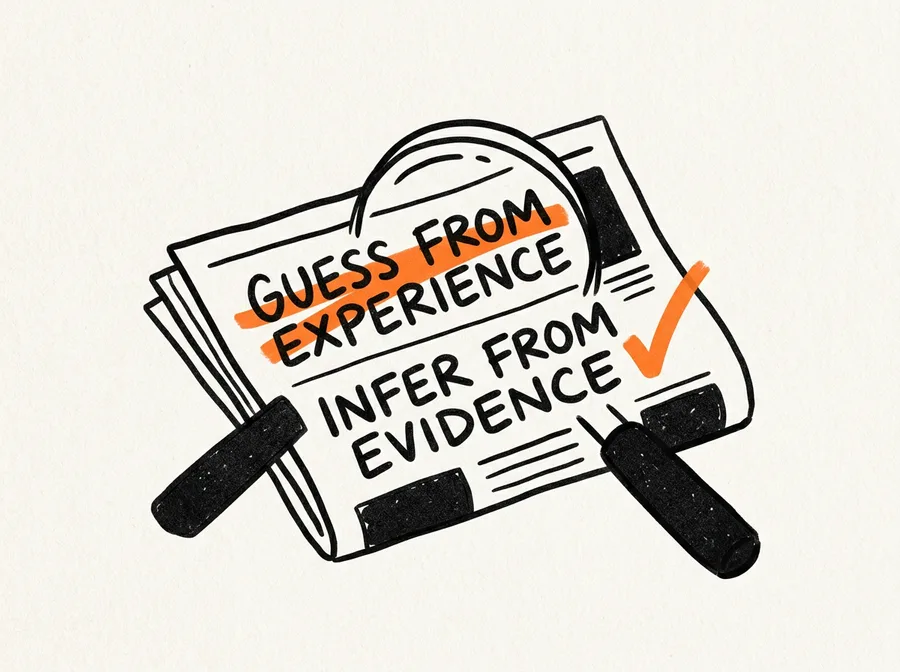
Inference And Implied Meaning
Draw conclusions the text really supports, without guessing from outside knowledge.

Sprint 27
Writer Purpose And Attitude
Work out the writer's purpose and attitude from their tone and word choice.

Sprint 28
Review: Traps And The Writer's View
Check you can avoid distractors and read between the lines before moving on.
Timed Practice And Your Weak Spots
Chapter 7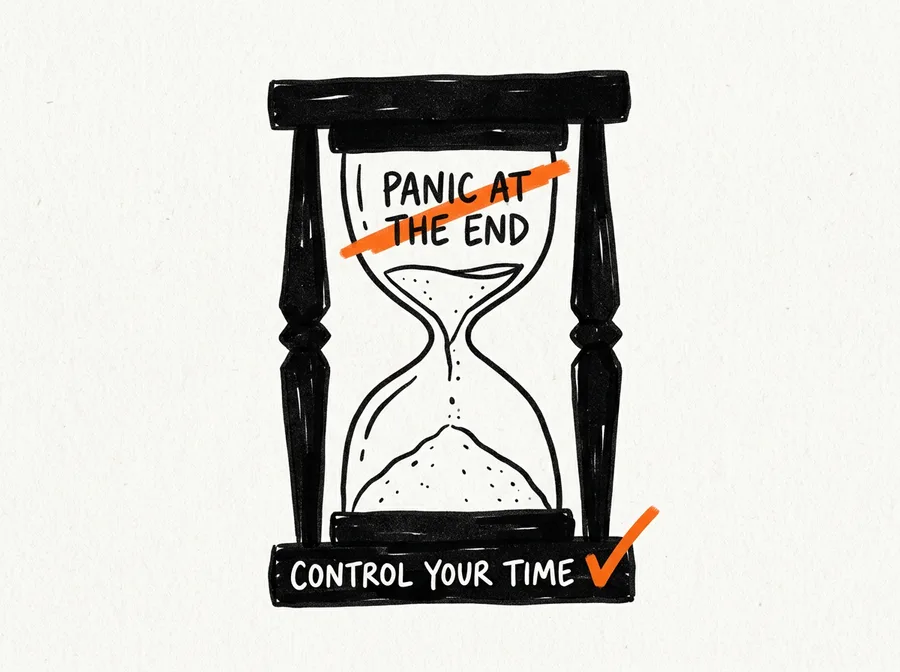
Chapter 7 · Start here
Timed Practice And Your Weak Spots
Put every skill together under time: a routine for each passage, what to check at the end, and a plan for your weak spots.
Sprint 29
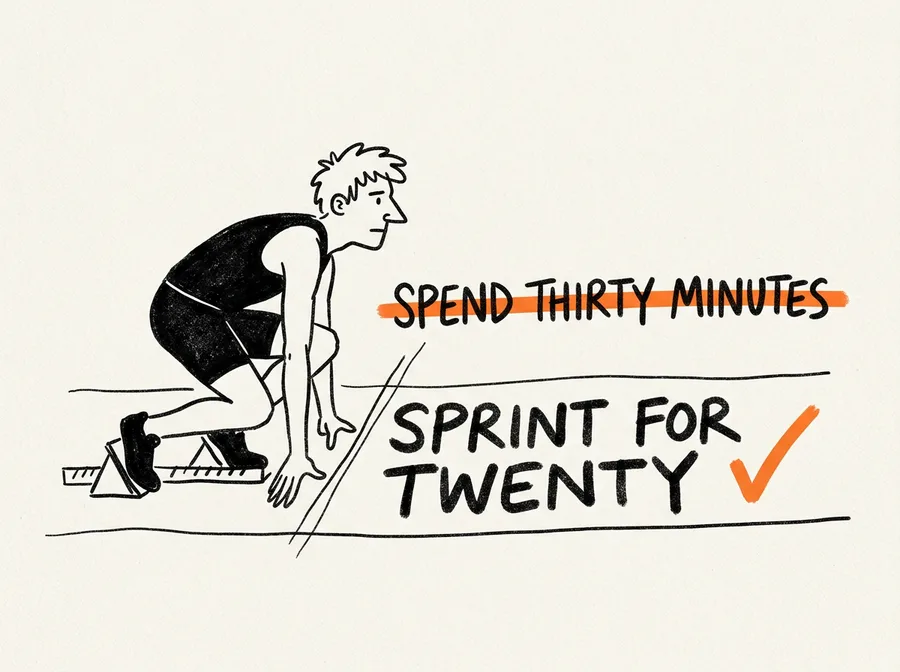
One Passage Strategy
A repeatable 20-minute routine for one reading passage.
Sprint 30
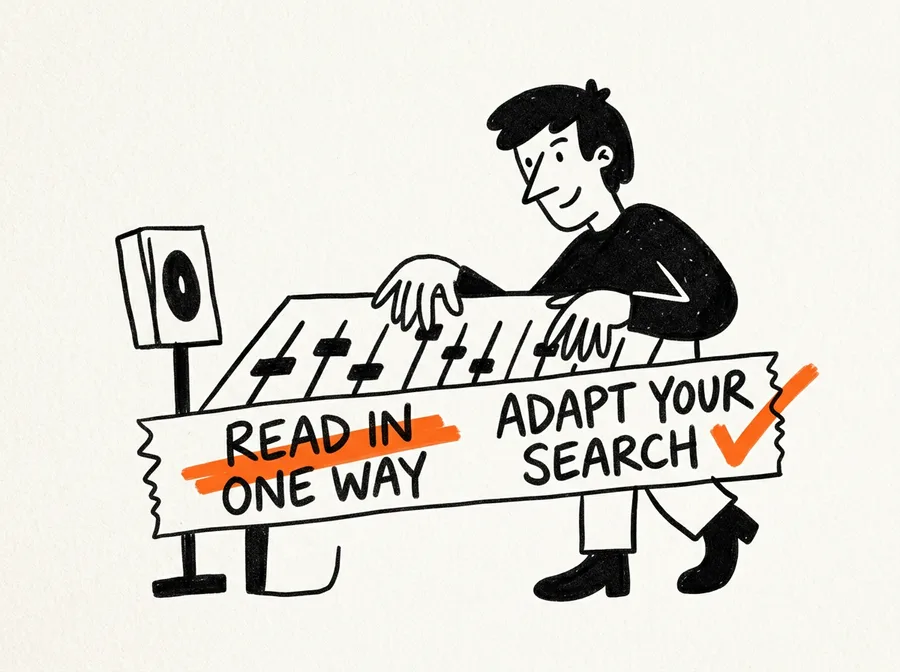
Mixed Question Set
Move smoothly between different question types in the same passage, under time pressure.

Sprint 31
Review Without Wasting Time
Choose which answers to check in the final minutes so the time earns you the most marks.
Sprint 32
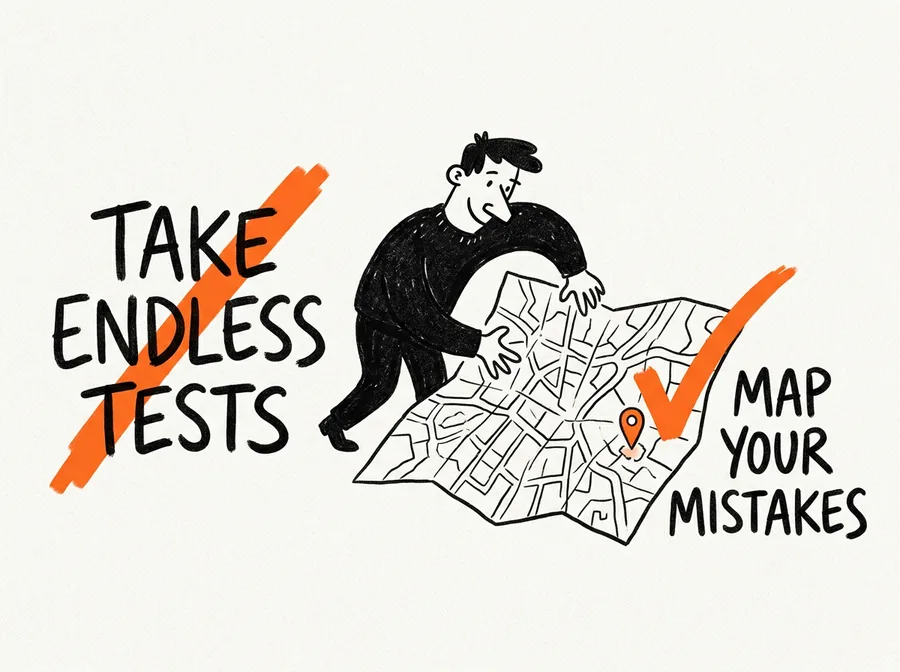
Personal Weakness Map
Look at your mistake patterns and make a practice plan for the last days before the exam.
Sprint 33
Review: Your Timed Strategy
Look back at your timed routine and finish your personal plan for exam day.