229d7ca6...
b8468913...
3b005a92...
534aeb88...
6a1f7273...
bead28cf...
2c7169a1...
Preview · progress not saved — Chapter 1 is free
Check your existing knowledge about natural resources and the environment before we begin our journey.
An introduction to the fundamental questions about natural resources and how everything we use connects back to nature.
The Big Questions:
"We must move toward a regenerative economy, an economy that operates in harmony with nature, repurposing used resources, minimizing waste, and replenishing depleted resources. We must return to the innate wisdom of nature herself, the ultimate regenerator and recycler of all resources."
— Christiana Figueres and Tom Rivett-Carnac in 'The Future We Choose'
Master these everyday English words to better understand the chapter content.
Learn the key terminology you'll need throughout this chapter on natural resources.
Understanding the conditions that transform elements of nature into resources that humans can use.
Nature is the totality of life and non-life forms that are part of our environment but have not been created by humans.
Trees exist in forests whether humans are there or not. Rivers flow, mountains stand tall, and the sun shines—all independent of human existence.
But when does Nature become a resource?
See how different elements of nature are transformed into resources through human technology and effort.
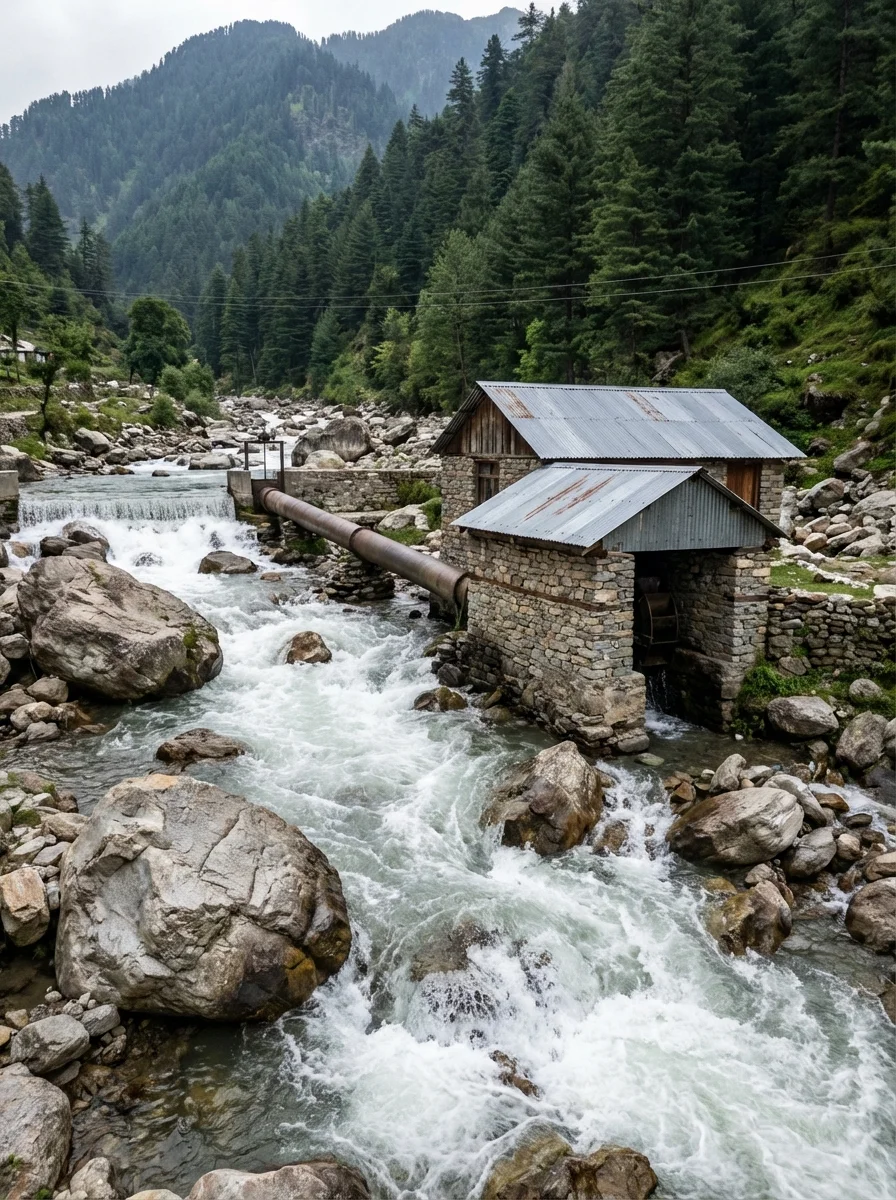
Flowing river water (Nature) → Electricity through microhydel plant (Resource)
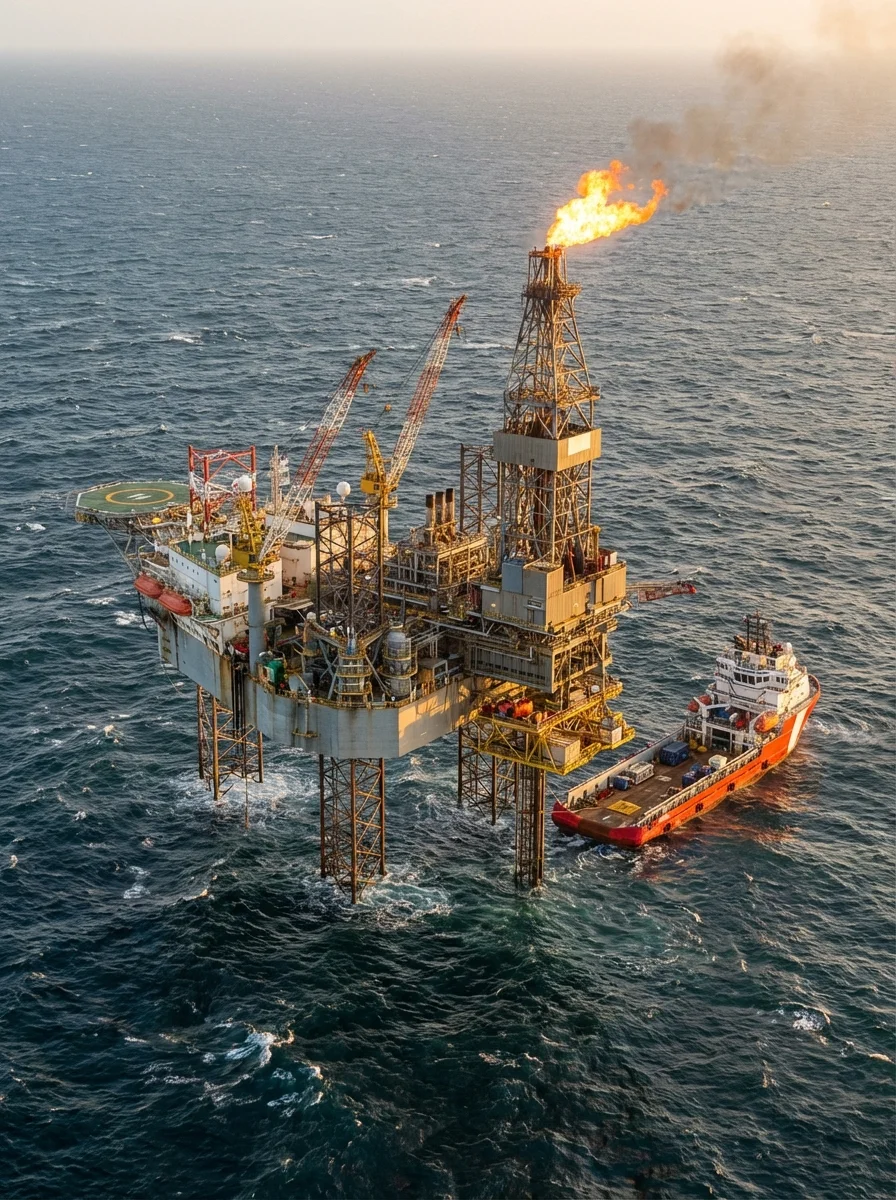
Petroleum under seabed (Nature) → Extracted oil (Resource) - Requires advanced technology
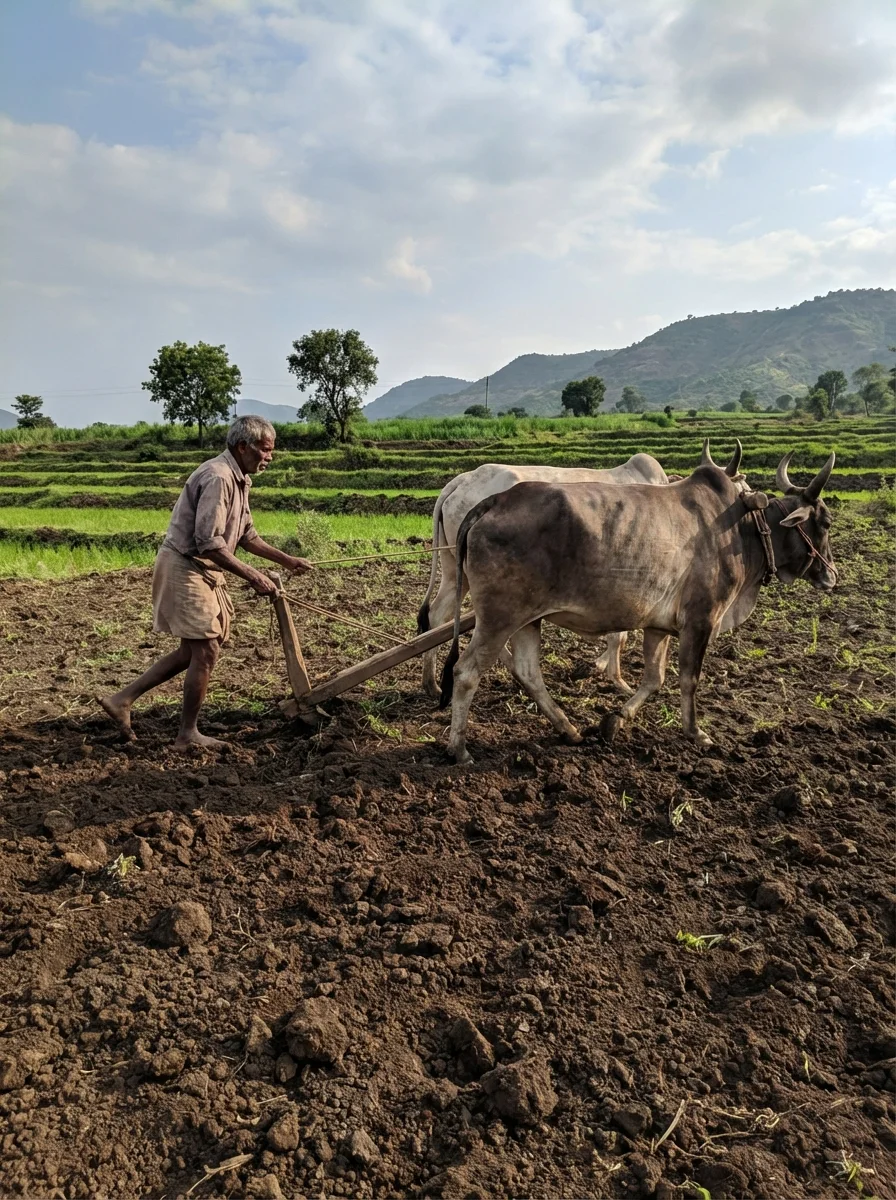
Soil ecosystem (Nature) → Agricultural land (Resource) - Sustainable when done gently
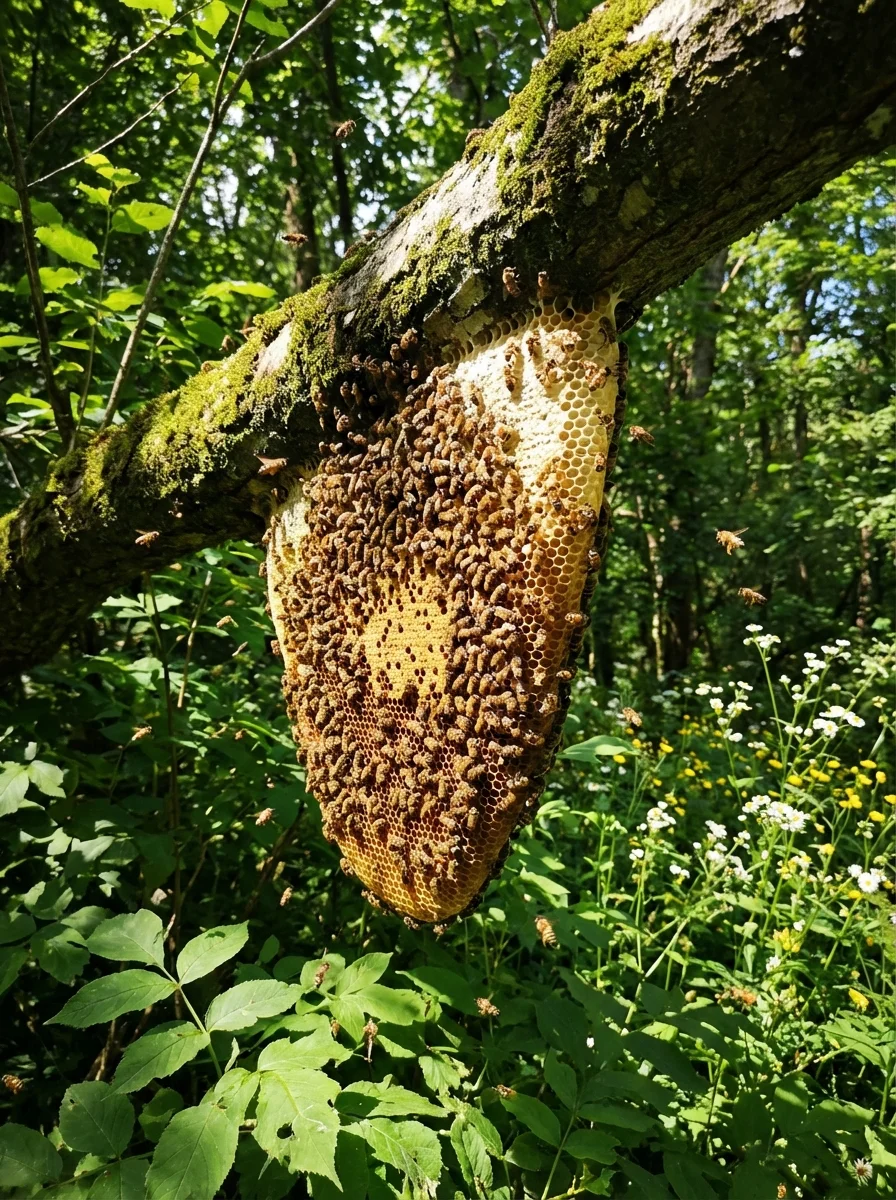
Wild bees and flowers (Nature) → Honey (Resource) - Renewable if harvested sustainably

Sacred Tulasi plant - An example where cultural values define what becomes a resource
Fill in the blanks to reinforce your understanding of what makes something a natural resource.
Natural resources are materials and substances that occur in and are valuable to . However, not everything in nature automatically qualifies as a resource. For an element of nature to become a resource, three conditions must be met: it must be accessible (we need the technology to extract it), economically (the cost of extraction should be practical), and culturally (the use must align with community values). When these conditions are satisfied and humans begin using these elements, they transform from mere natural entities into .