a21293f9...
1033cc2d...
12cac079...
89638cd5...
Preview · progress not saved — Chapter 1 is free
See the real data and images showing how groundwater depletion has affected Punjab.
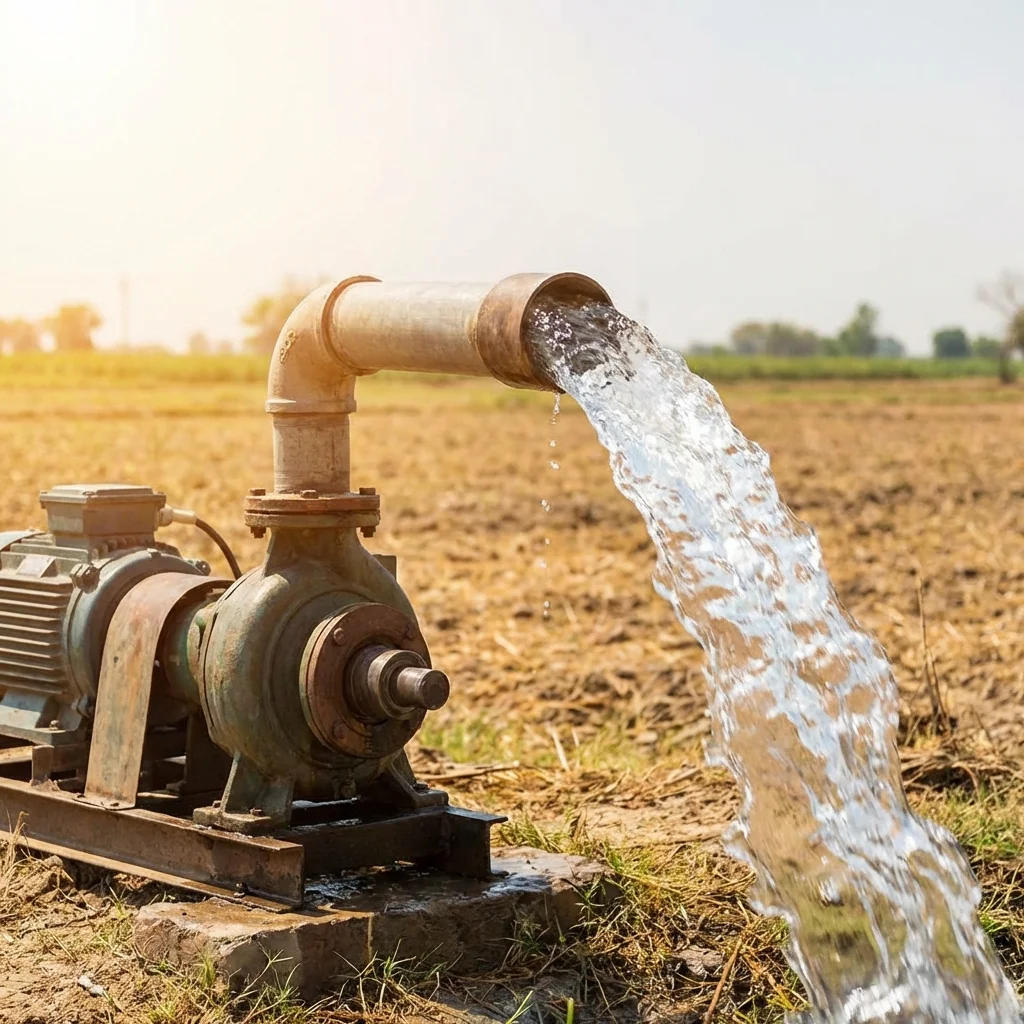
Groundwater extraction in Punjab - Powerful pumps pull water from 30+ meters underground
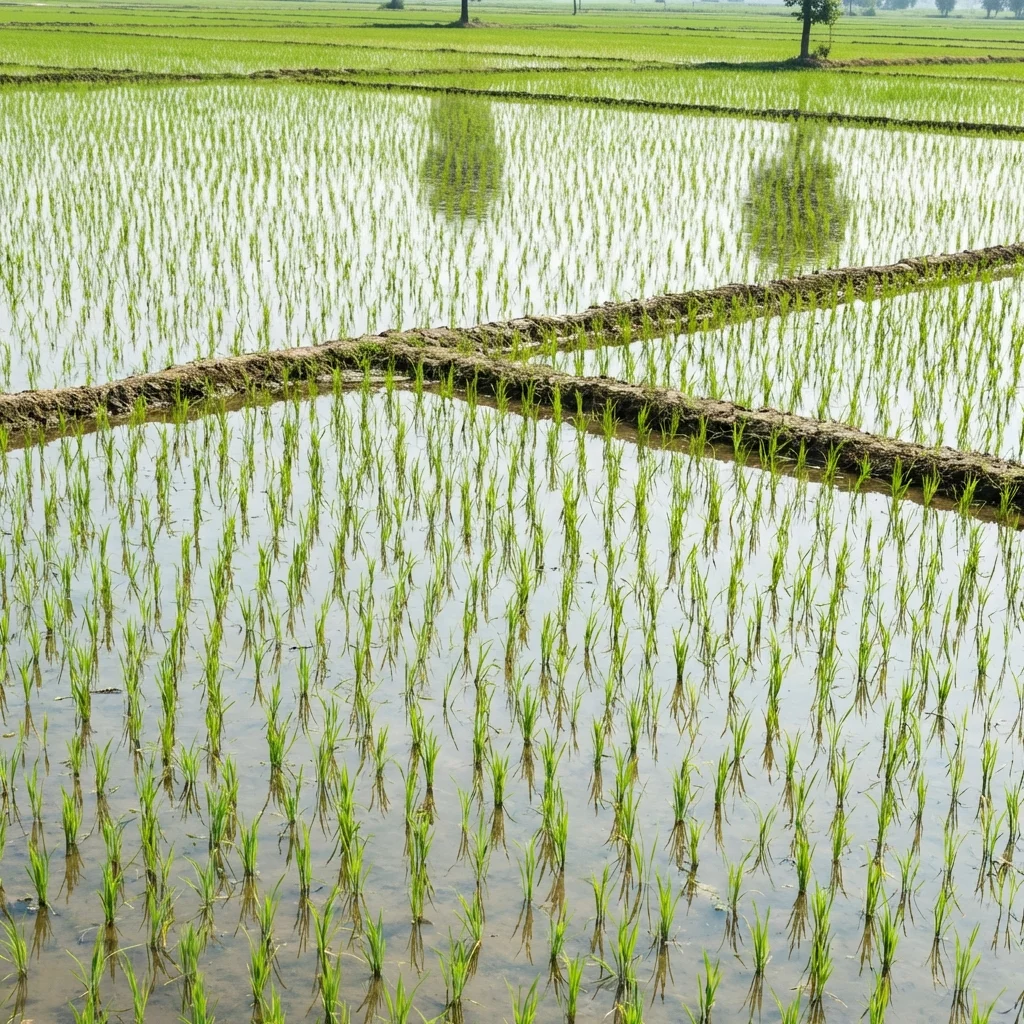
Water-intensive paddy cultivation - Each field remains flooded for months, requiring massive water use
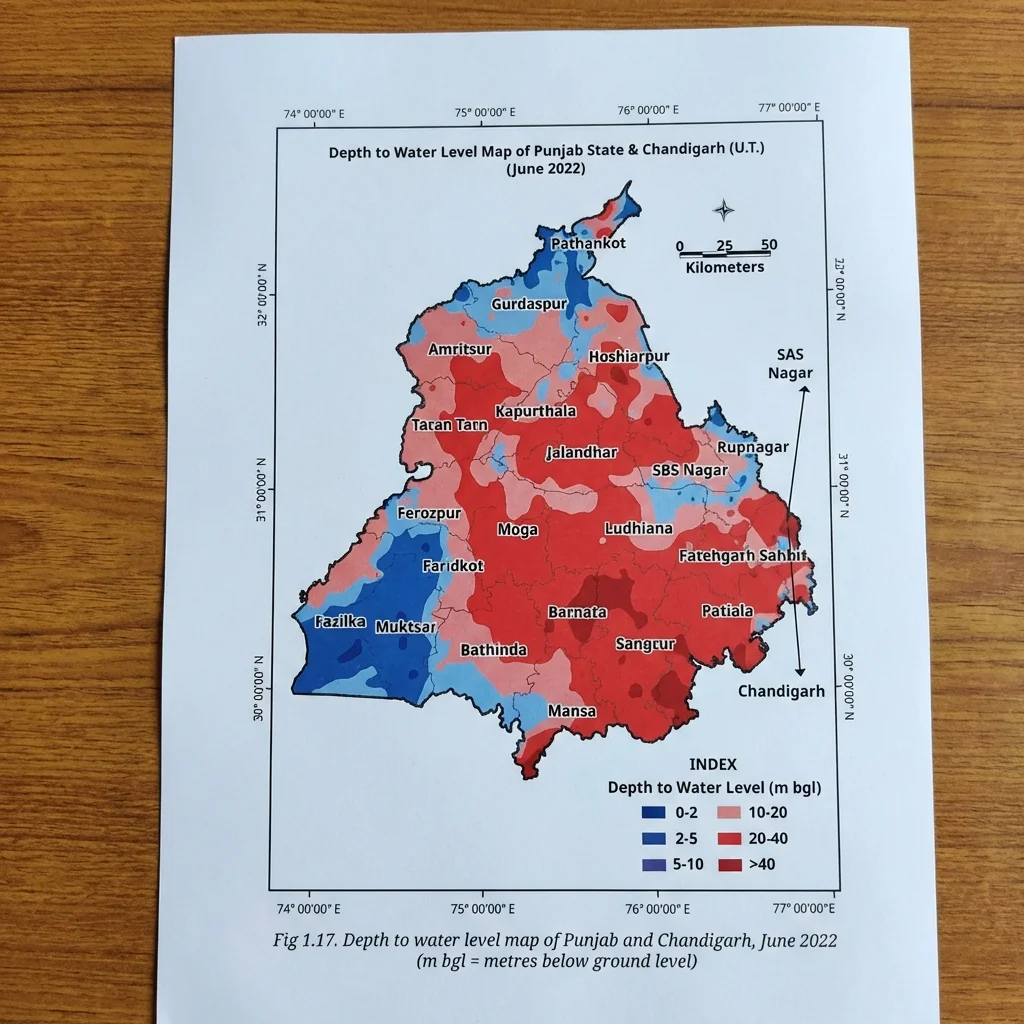
Punjab Groundwater Map (June 2022): Dark red = 20-40m depth (overexploited), Deep red = >40m depth (critical). Notice: Most of Punjab is red.
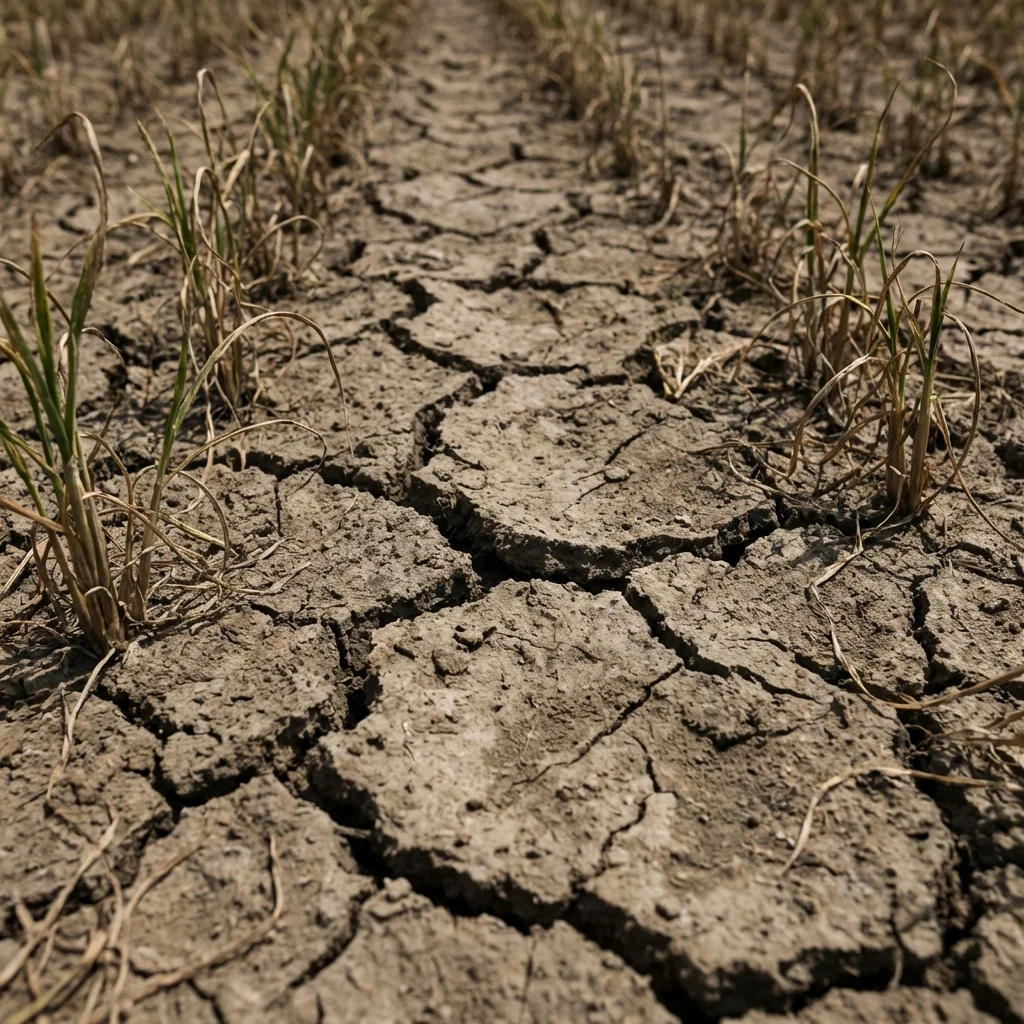
Crop failure from soil degradation - Decades of chemical fertilizers have damaged soil health
A detailed case study showing the consequences of using renewable resources faster than nature can regenerate them.
Let's travel to Punjab - one of India's most fertile regions. This is a real story about what happens when we disturb Nature's regeneration cycle.
Punjab's Proud Past: In the 1960s, Punjab became the breadbasket of India through the Green Revolution. It fed a large proportion of our population and made India self-sufficient in food. Farmers were celebrated as heroes.
Punjab's Present Crisis: Today, the same state faces a severe sustainability crisis. Nature has been pushed beyond her capacity to regenerate.
How did this happen?
Reinforce your understanding of the causes and consequences of Punjab's groundwater crisis.
In the 1960s, Punjab became India's through the Green Revolution, making the country self-sufficient in food. High-yielding varieties of crops required much more than traditional seeds, leading to intensive groundwater extraction. Free provided by the government encouraged over-pumping without economic checks. Chemical fertilizers and seeped into the groundwater, causing water contamination. Almost % of Punjab's area has been classified as 'over-exploited', meaning extraction exceeds recharge. The Punjab crisis shows that a resource can become effectively non-renewable if we disturb nature's cycle.
Understanding the invaluable services nature provides and how we often disrupt them without realizing the consequences.
Nature provides us with countless benefits every single day. But we often don't notice them until they're gone.
Let's understand two important terms:
Ecosystem Functions: Nature's inherent ways of working
Ecosystem Services: When these natural functions benefit humans