Back to projectPublic page

2. Biological Classification

This section is still being documented. Clone the project to customize it or keep reading for context.

Part of NCERT 11 Biology

25 blocks0 nested pagescreate
Last updated Dec 12, 2025. Clone to remix or explore the blocks below.
97aaef73...
prerequisite

Prior Knowledge Check

Essential concepts for understanding biological classification

0 of 6 completed0%
Before You Start: Do You Know These?
I know the difference between plant cells and animal cells
I understand that some organisms make their own food (autotrophs)
I know that some organisms eat other organisms (heterotrophs)
I can tell the difference between single-celled and multi-celled organisms
I have heard about bacteria and fungi
I know that organisms reproduce to create offspring
0a3d32e4...
overview

Why Classify?

From Aristotle to Whittaker - the evolution of classification systems

The History of Classification

Humans have always classified things. It's natural.

Early humans classified organisms by use:

  • Food plants vs poisonous plants
  • Dangerous animals vs safe animals
  • Useful organisms vs harmful ones

This was practical but not scientific.
d411fcec...
vocabulary

Core Classification Vocabulary

15 essential terms for understanding biological classification

1 / 0
Click to reveal
40d6d968...
b81a76c7...
images

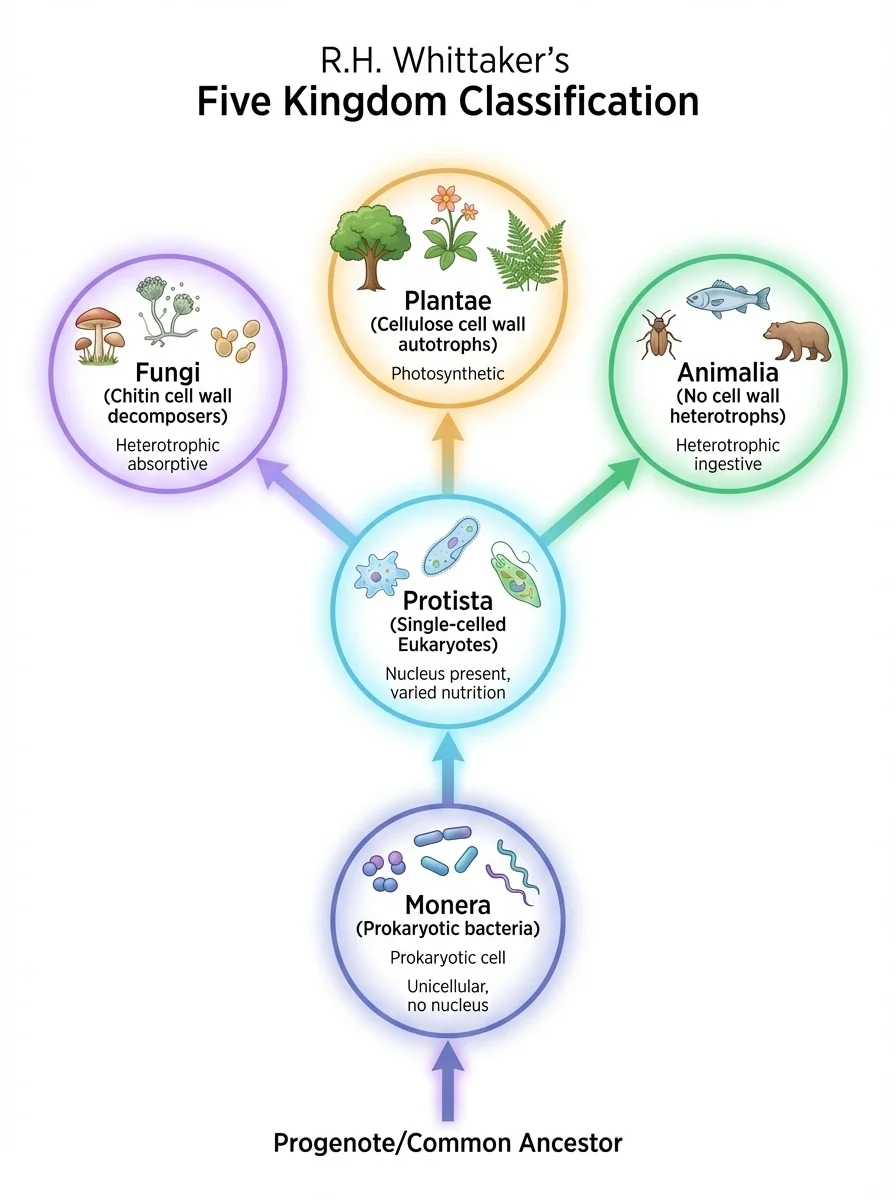
Five Kingdom Overview

Visual summary of Whittaker's classification system

e4c74bdf...
concept

Kingdom Monera: The Bacteria

Prokaryotic diversity, shapes, and metabolic versatility

Kingdom Monera

Bacteria are the ONLY members of Kingdom Monera.

Key feature: They are prokaryotic - no nucleus!

Where Do They Live?

Bacteria are everywhere:

  • Soil (hundreds in a handful)
  • Water (oceans, rivers, ponds)
  • Air
  • Inside your body
  • Hot springs (boiling temperature!)
  • Deep ocean trenches
  • Arctic ice
  • Even in radioactive waste

They are the most abundant microorganisms on Earth.

a5d2a1c8...
images

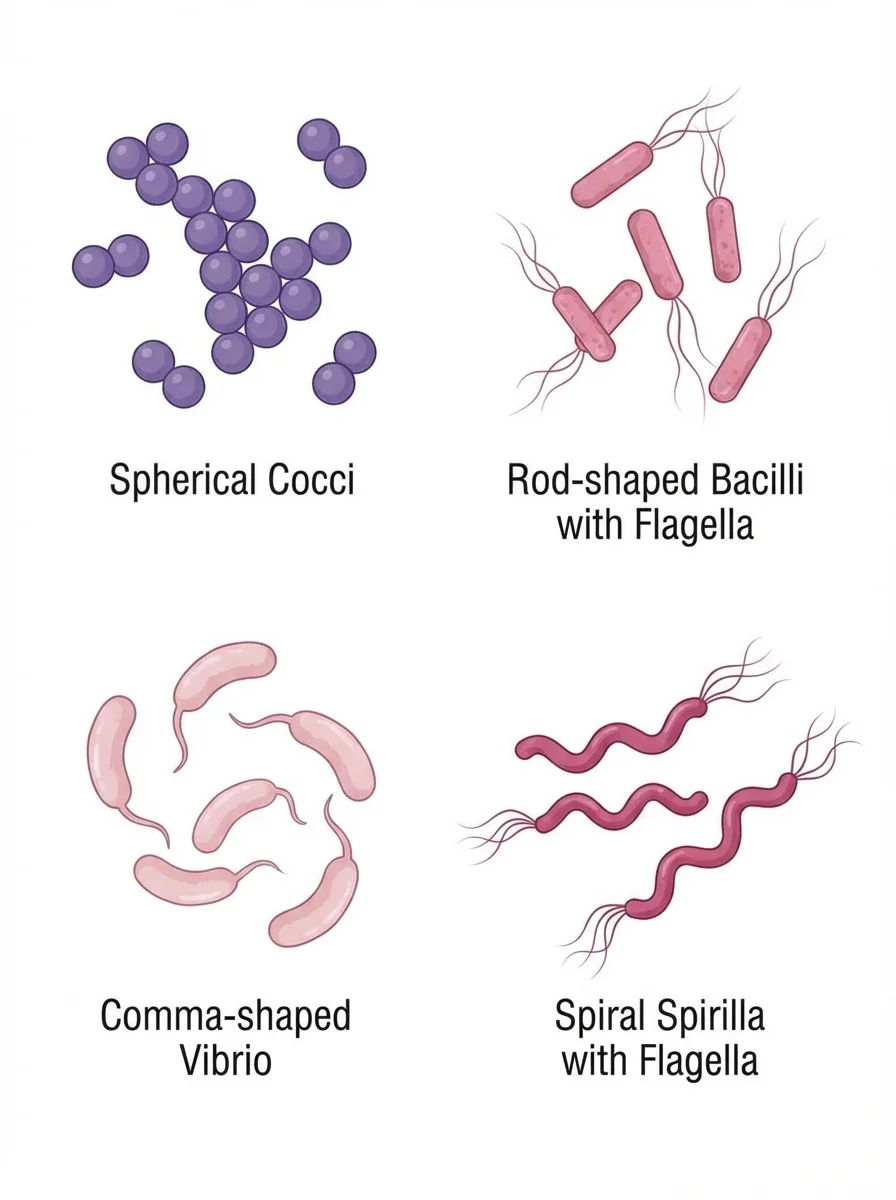
Bacterial Shapes

Visual guide to the four main bacterial forms

55817477...
concept

Archaebacteria vs Eubacteria

Extremophiles and true bacteria - diversity within Monera

Two Types of Bacteria

Kingdom Monera has two main groups:

  1. Archaebacteria (ancient bacteria)
  2. Eubacteria (true bacteria)

These two groups differ in their cell wall structure, habitats, and characteristics.

2cbbfba4...
quiz

Check: Monera Basics

Test your understanding of bacteria and their classification

0 / 8

Bacteria that make their own food using chemical energy are called:

35575f09...
concept

Kingdom Protista: The Misfits

Single-celled eukaryotes that link kingdoms

Kingdom Protista

Main criterion: All single-celled eukaryotes

Protista is the kingdom for organisms that don't fit neatly anywhere else.

Cell structure: Eukaryotic

  • Well-defined nucleus
  • Membrane-bound organelles
8a6bcc85...
concept

Protista Deep Dive

Exploring the five groups of protists in detail

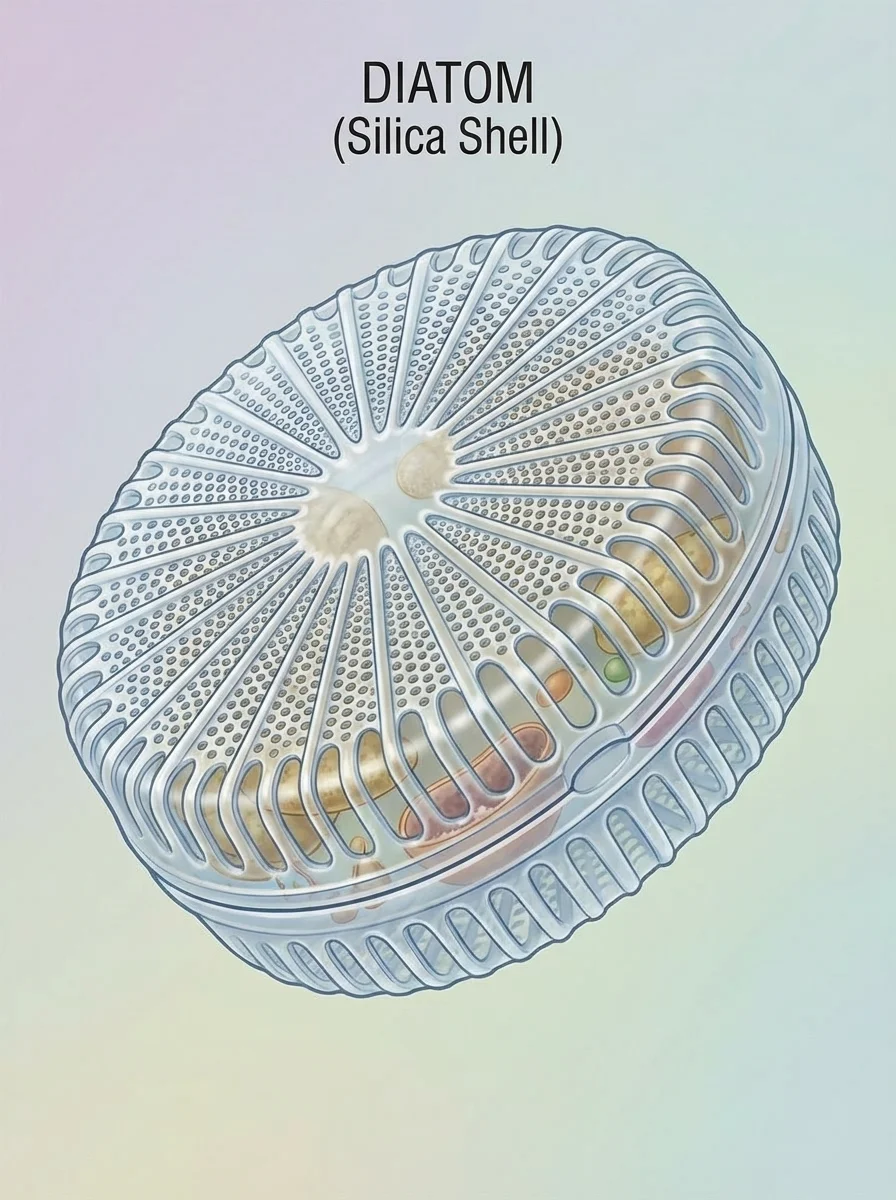
Group 1: Chrysophytes

Includes: Diatoms and golden algae (desmids)

Habitat:

  • Freshwater
  • Marine environments

Characteristics:

  • Microscopic size
  • Float passively in water currents (plankton)
  • Most are photosynthetic
47e3b648...
images

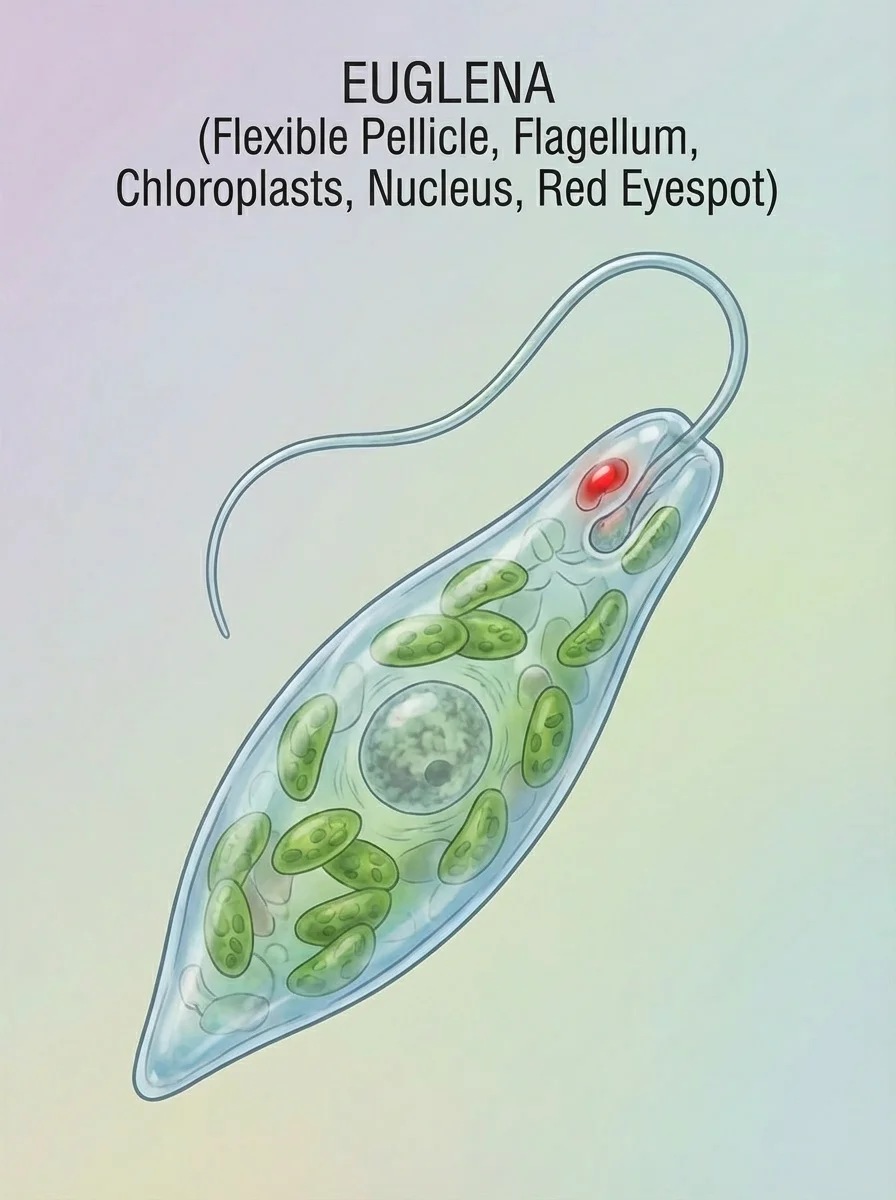
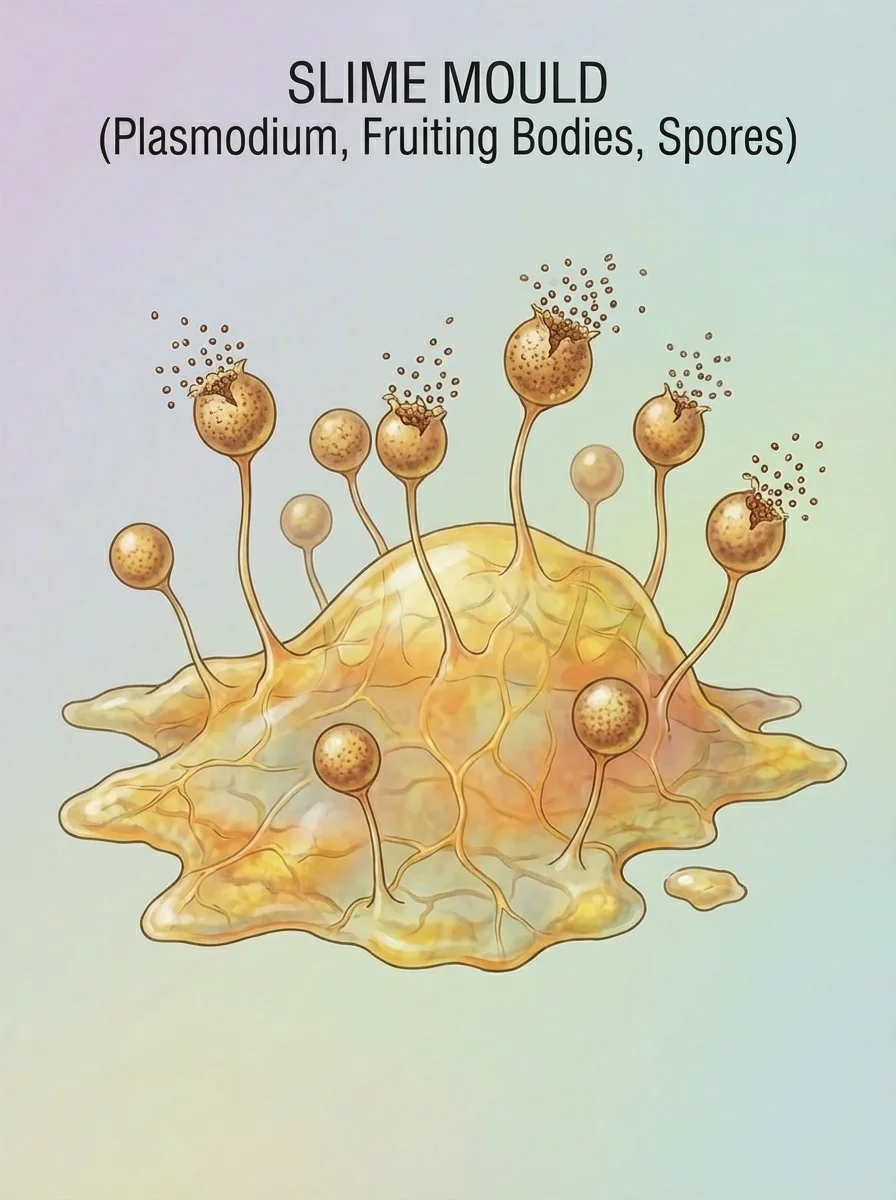
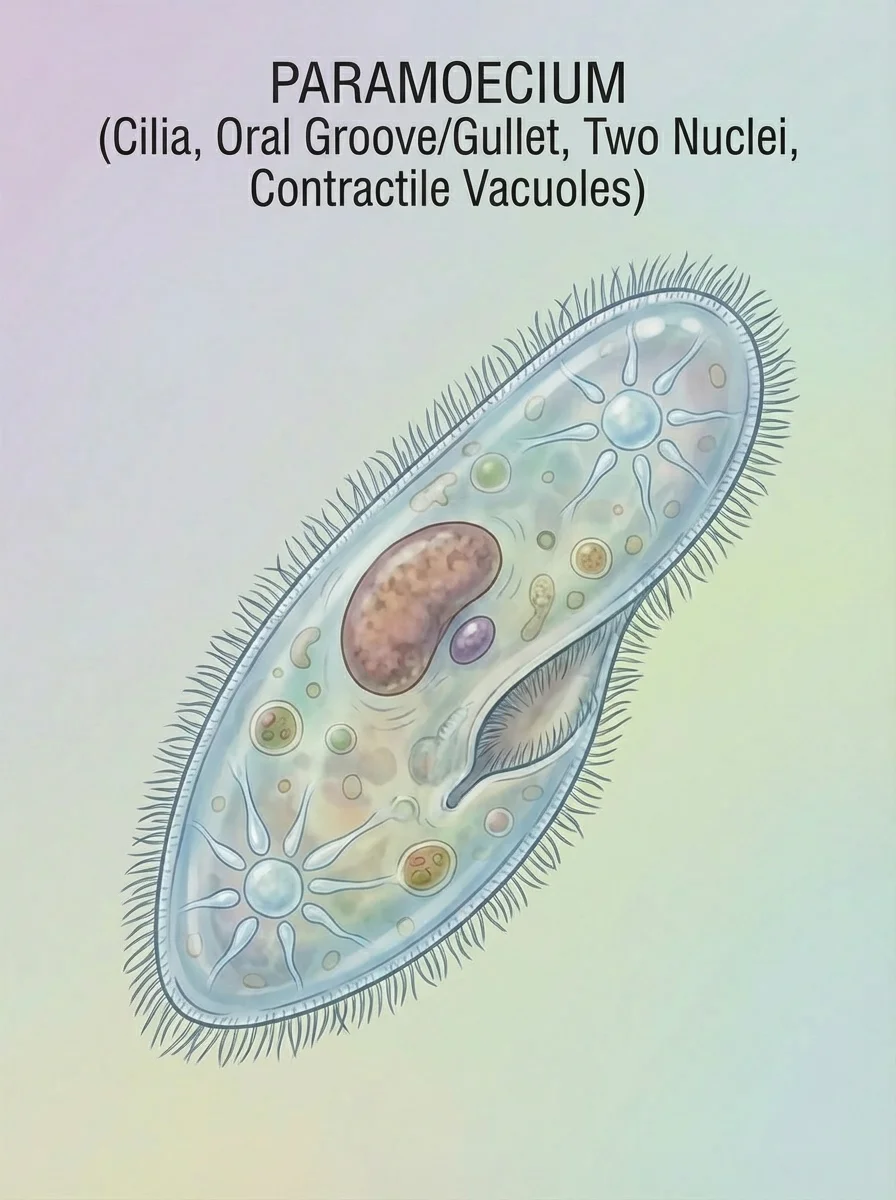
Protista Gallery

Key protist organisms visualized

69015bf5...
terms

Protista Organisms

Know your protists and their characteristics

1 / 0
Click to reveal
4d03111d...
quiz

Check: Protista

Test your knowledge of protist groups and organisms

0 / 8

Diatomaceous earth is used for:

dc074bce...
concept

Kingdom Fungi: Structure & Lifestyle

Understanding fungal body organization and nutrition

Kingdom Fungi

Fungi form a unique kingdom of heterotrophic organisms.

You've seen fungi:

  • Mould on bread
  • Mushrooms you eat
  • Toadstools in forests
  • White spots on mustard leaves
  • Yeast for making bread and beer

Fungi are neither plants nor animals - they have their own distinct characteristics.

fa7d8104...
concept

Fungal Reproduction & Classes

Sexual cycles and the four fungal classes

Asexual Reproduction in Fungi

Method: By spores

Types of Asexual Spores

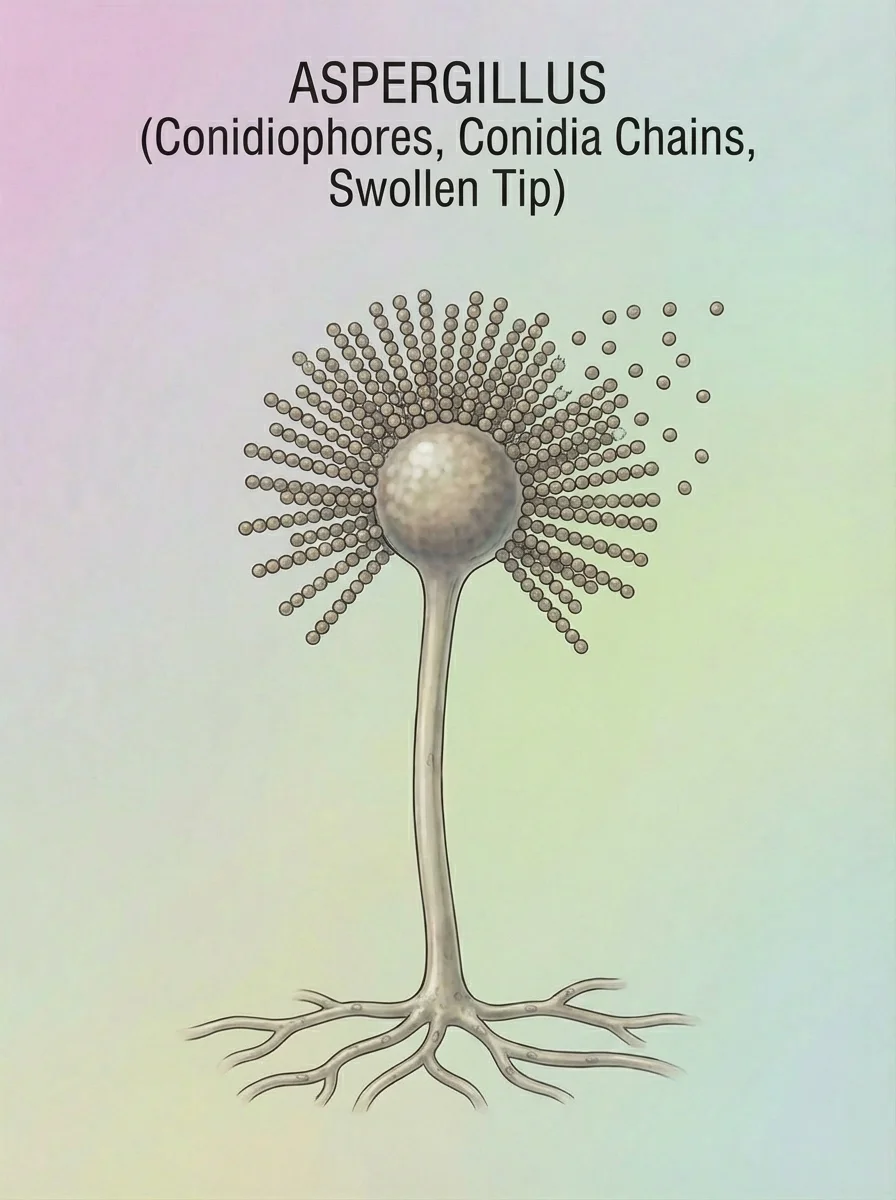
1. Conidia

  • Produced externally
  • On special hyphae called conidiophores
  • Not enclosed in a sac

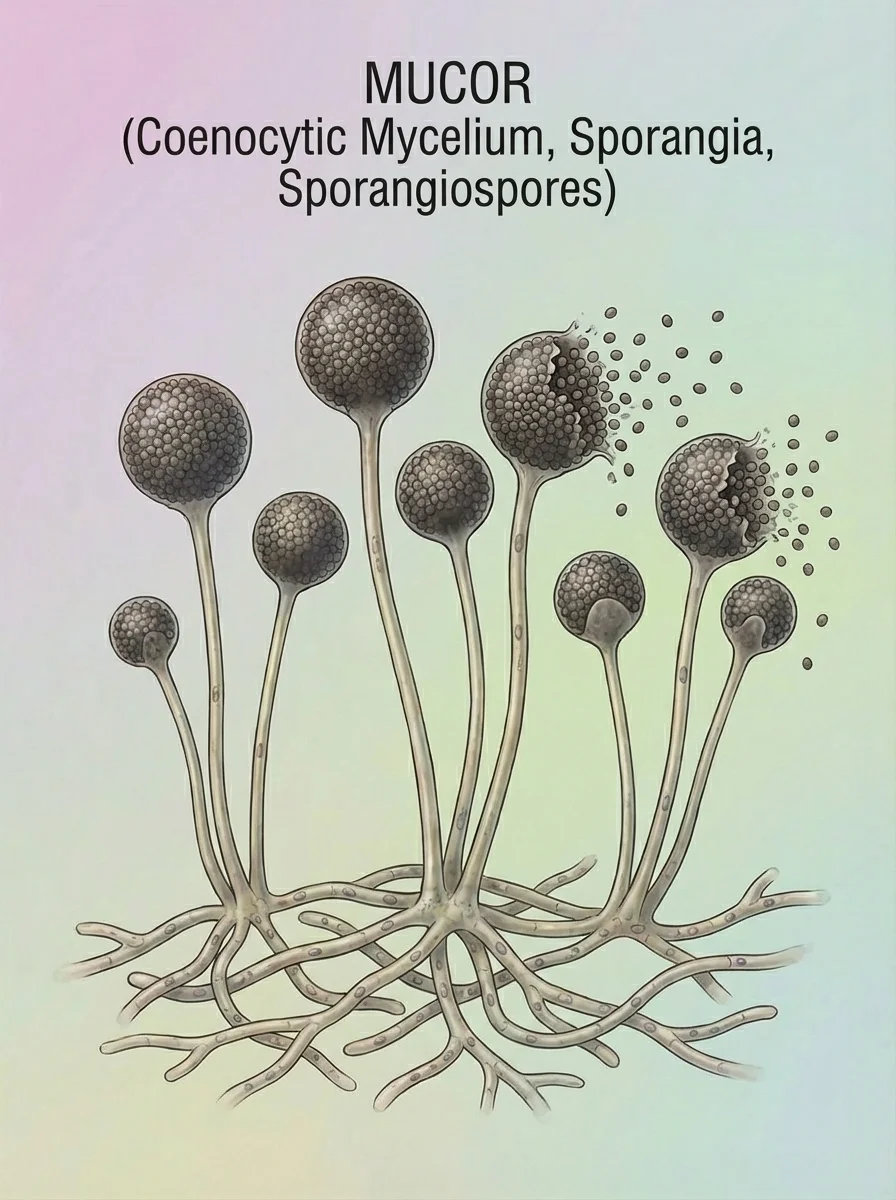
2. Sporangiospores

  • Produced inside a sac
  • Sac is called sporangium
  • Non-motile

3. Zoospores

  • Motile spores
  • Have flagella
  • Can swim in water
  • Found in aquatic fungi
5c97e89c...
fc930abc...
images

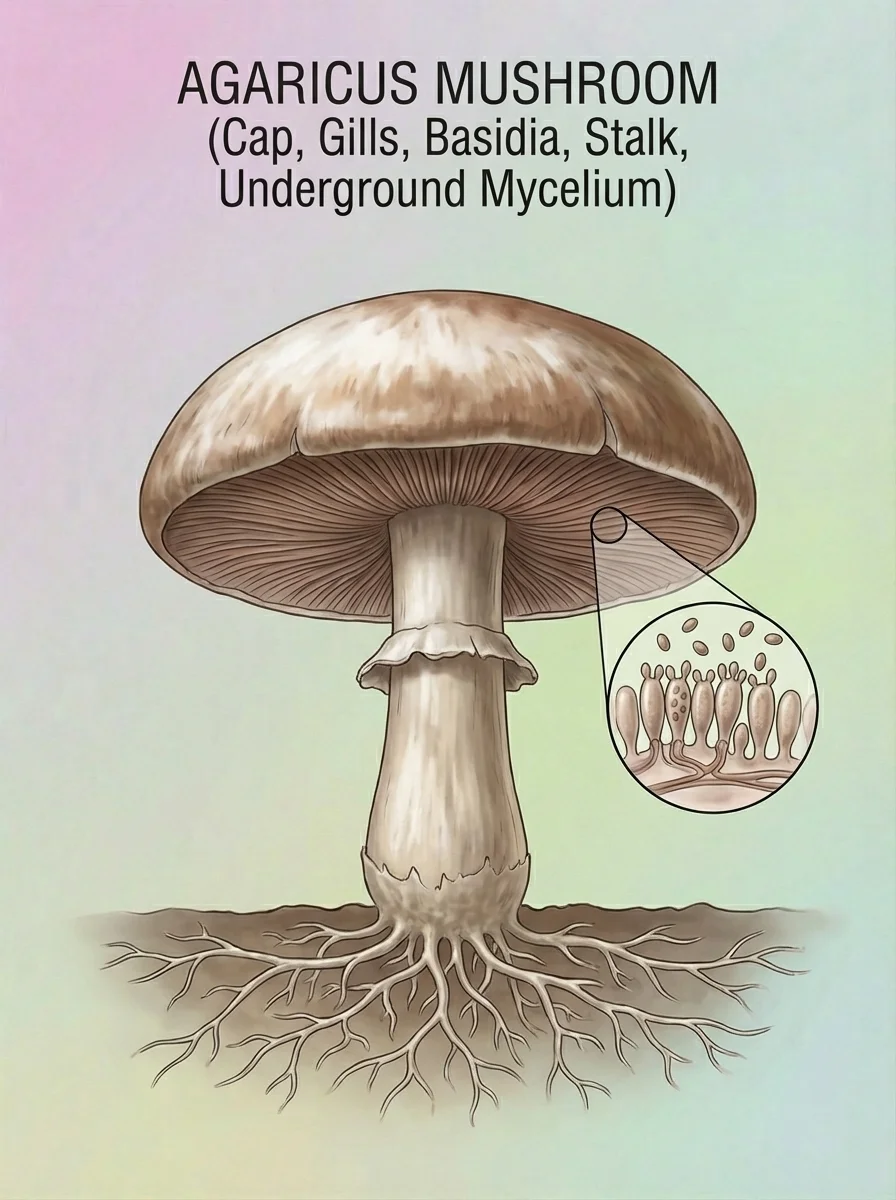
Fungi Representatives

Representative organisms from three fungal classes

d75234fd...
quiz

Check: Fungi

Test your knowledge of fungal characteristics and classes

0 / 10

The fusion of two nuclei in sexual reproduction is called:

c7975cd5...
concept

Beyond Five Kingdoms

Brief introduction to Plantae and Animalia

Kingdom Plantae

Members: All eukaryotic chlorophyll-containing organisms

Commonly called plants.

Plant Cell Structure:

  • Eukaryotic structure
  • Prominent chloroplasts
  • Cell wall made of cellulose

Groups in Kingdom Plantae:

  1. Algae
  2. Bryophytes (mosses)
  3. Pteridophytes (ferns)
  4. Gymnosperms (conifers)
  5. Angiosperms (flowering plants)
6263777b...
concept

Viruses, Viroids, Prions & Lichens

Acellular organisms and symbiotic associations

Organisms Outside the Five Kingdoms

Whittaker's Five Kingdom classification doesn't include:

  1. Viruses
  2. Viroids
  3. Prions
  4. Lichens

Let's explore these unique entities.

2b1c0615...
images

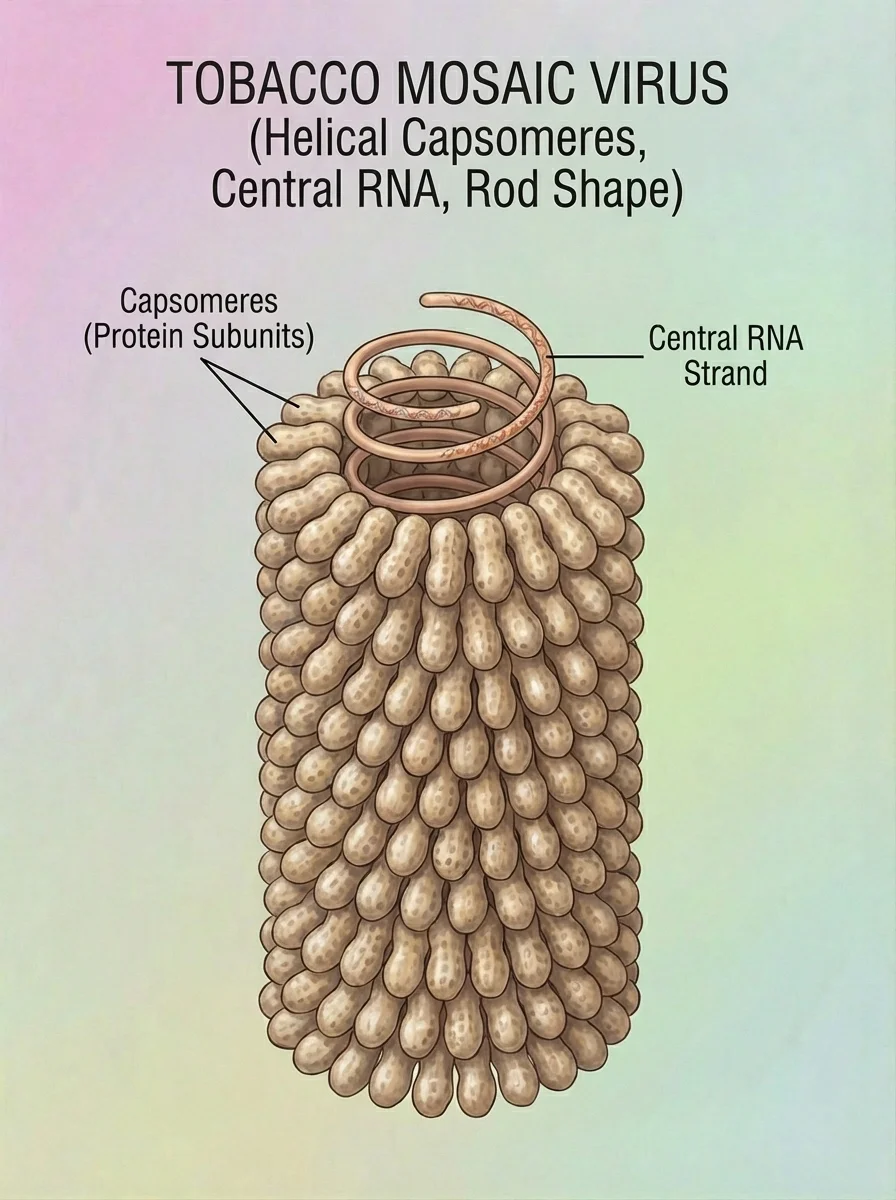
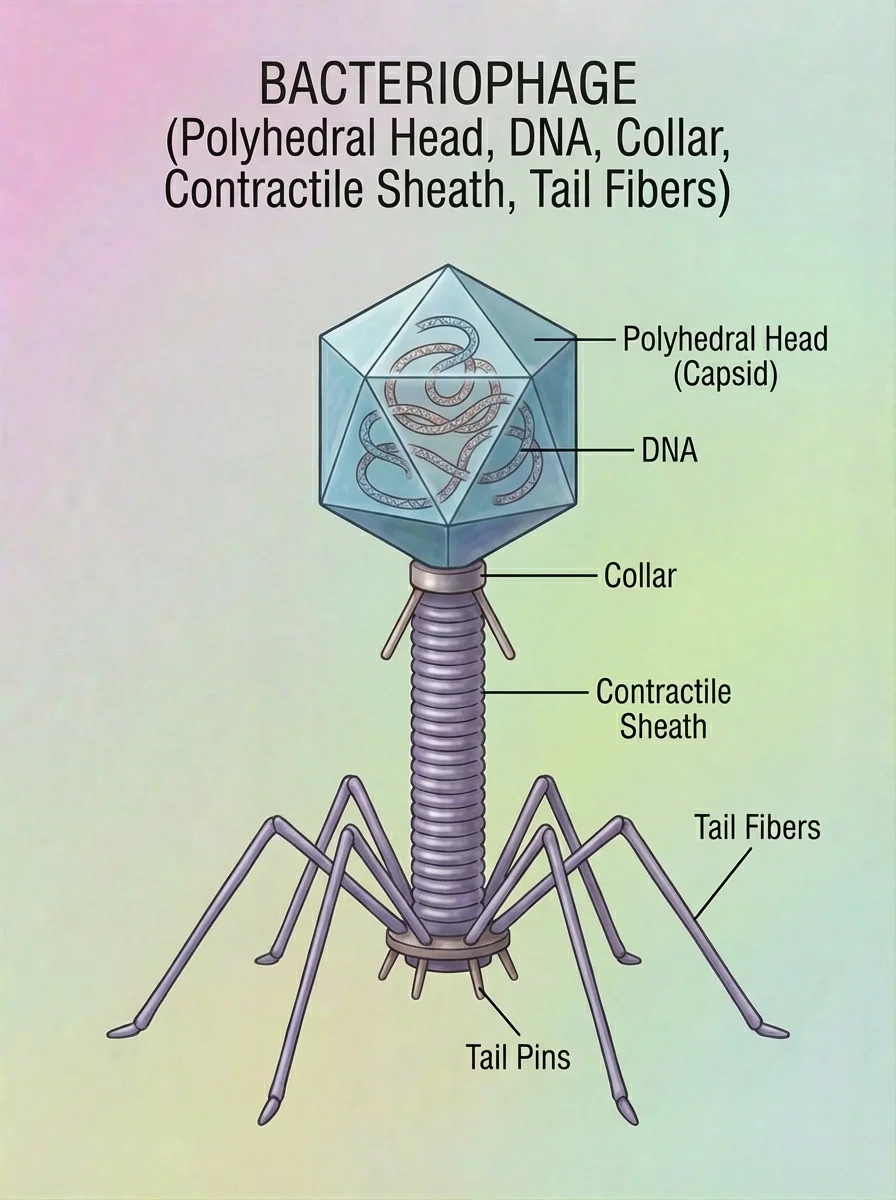
Virus Structure

TMV and Bacteriophage compared

33cf7b95...
terms

Viruses & Beyond

Key terms for viruses, viroids, prions, and lichens

1 / 0
Click to reveal
738f0a40...
practice

Active Recall: Full Chapter

Test your memory of all major concepts from Chapter 2

Fill in the blanks with appropriate terms. Use NO MORE THAN ONE WORD for each blank.
0 of 14 blanks filled
R.H. Whittaker proposed the0/1Kingdom classification in 1969. The five kingdoms are Monera, Protista, Fungi, Plantae and0/1. Bacteria are grouped by shape into four types: spherical0/1, rod-shaped bacillus, comma-shaped vibrio, and spiral spirillum. Archaebacteria that live in extremely salty areas are called0/1, while those that produce methane are called0/1. Cyanobacteria have specialized cells for nitrogen fixation called0/1. Diatoms have cell walls embedded with0/1, and their accumulation forms diatomaceous earth. The protein-rich flexible layer in Euglena is called the0/1. Fungi have cell walls made of0/1, not cellulose. The network of fungal hyphae is called0/1. In sexual reproduction of fungi, the fusion of two nuclei is called0/1. Viruses have a protein coat called0/1made of small subunits. Lichens are symbiotic associations between algae (0/1) and fungi (0/1), and are good pollution indicators.
e89258e7...
assessment

Assessment: Biological Classification

Comprehensive test covering all of Chapter 2 - Biological Classification

0 / 15

According to Table 2.1, which kingdom has organisms with chitin cell walls?